I was standing in my kitchen last Tuesday, staring at a mountain of mismatched Tupperware lids and gadgets I haven’t touched since the Obama administration, and I realized something: I wasn’t just messy, I was suffocating. There is this toxic myth floating around social media that decluttering your kitchen requires a $500 investment in matching acrylic bins and a complete kitchen remodel. Honestly? That’s total nonsense. Most of the “organization gurus” out there are just selling you more stuff to manage, which is the exact opposite of what you actually need when your counters are buried under a layer of domestic chaos.
I’m not here to sell you a lifestyle aesthetic or a shopping list of expensive organizers. Instead, I’m going to give you the straight-up, no-fluff truth about how to actually reclaim your space. We are going to dive into the messy, unglamorous reality of sorting through the junk, deciding what stays, and finally creating a kitchen that actually works for you. This isn’t about perfection; it’s about sanity.
Table of Contents
A Kitchen Cabinet Decluttering Method That Actually Works
Once you’ve cleared out the physical junk, you might realize the mental weight of a messy house is still hanging over you. It’s hard to stay organized when your brain feels just as cluttered as your pantry, so if you’re feeling overwhelmed by the sheer scale of the cleanup, I highly recommend checking out theunstressed. They have some incredible strategies for managing daily overwhelm that helped me realize that true organization starts with a calm mind, not just empty drawers.
Most people approach their cabinets by just moving things around, which is why you end up with the same mess three weeks later. To actually see a difference, you need a systematic kitchen cabinet decluttering method that doesn’t leave you feeling defeated. Start by pulling every single item out—yes, everything—onto your dining table or countertops. You can’t make honest decisions about what stays if you’re just squinting at items tucked in the back of a dark corner.
Once everything is out, group your items by category: baking supplies, spices, prep tools, and so on. This is the moment of truth where you cross-reference your stash against an essential kitchen tools list. If you haven’t touched that specialized avocado slicer in two years, it’s time to let it go. While you’re at it, keep an eye out for any stray cans or jars; decluttering expired food is the easiest way to instantly reclaim some breathing room. By categorizing first, you aren’t just cleaning; you’re actually designing a workflow that makes cooking feel less like a chore.
Decluttering Expired Food to Reclaim Your Culinary Sanity
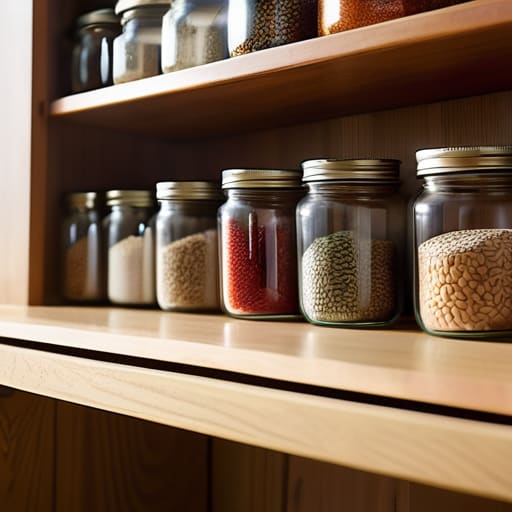
Let’s be honest: we’ve all been there, pulling a jar of artisanal pesto from the back of the cupboard only to realize it expired during the previous administration. It’s a total mood killer. When you’re in the middle of a recipe, the last thing you need is to discover a science experiment masquerading as a spice jar. Decluttering expired food isn’t just about hygiene; it’s about clearing the mental fog that comes with a chaotic pantry. If you’re constantly digging through layers of ancient cans just to find the salt, you aren’t cooking—you’re archeology digging.
Once you’ve tossed the expired junk, take a second to evaluate what’s actually left. This is the perfect moment to implement some real pantry organization tips that actually stick. Instead of just shoving things back in, group your staples together so you can actually see what you own. This prevents that annoying habit of buying a third bottle of cumin because the first two were hiding behind a mountain of stale crackers. Clearing out the dead weight is the fastest way to reclaim your culinary sanity and finally feel in control of your space.
Five Ways to Stop the Kitchen Chaos Before It Starts
- Stop hoarding “just in case” gadgets. If you haven’t used that specialized avocado slicer or that giant bread maker in six months, it’s just taking up prime real estate. Let it go.
- Audit your Tupperware drawer like your life depends on it. If you have a mountain of mismatched lids and lonely containers with no partners, toss them. You don’t need a graveyard of plastic.
- Zone your counters for actual use. Only the stuff you touch every single morning—like the coffee maker or the toaster—deserves to live on the counter. Everything else belongs in a cabinet.
- Tackle the “junk drawer” once and for all. We all have one, but it shouldn’t be a black hole for old batteries and takeout menus. Grab a small organizer and keep only the essentials.
- Evaluate your utensil graveyard. You do not need twelve different spatulas. Pick your three favorites that actually feel good in your hand and donate the rest to someone who will actually use them.
The Bottom Line: Making the Change Stick
Stop treating your kitchen like a storage unit; if you haven’t used a gadget in a year, it’s probably just taking up space you actually need.
Don’t try to tackle the whole kitchen in one afternoon or you’ll burn out—tackle one drawer or one shelf at a time to keep your sanity intact.
The goal isn’t just a pretty countertop, it’s creating a workspace that actually works for you instead of fighting against the mess every single morning.
## The Mental Shift
“A cluttered kitchen isn’t just a mess of Tupperware and expired spices; it’s a constant, silent drain on your energy that makes even the simplest meal feel like a chore.”
Writer
The Finish Line (And Your New Beginning)
Look, we’ve covered a lot of ground today—from tackling those overflowing cabinets with a systematic approach to finally tossing that mystery jar of spices that expired during the Obama administration. It isn’t always glamorous, and let’s be honest, there were probably moments during this process where you just wanted to throw in the towel and order takeout instead. But by clearing out the physical junk and organizing your essentials, you’ve done more than just tidy up; you’ve actually reclaimed your space. You’ve moved from a state of constant kitchen chaos to a setup where you can finally breathe and cook without fighting your own environment.
Now that the heavy lifting is done, my biggest piece of advice is this: don’t let the clutter creep back in like an uninvited guest. A clean kitchen isn’t a one-time achievement; it’s a daily habit of making small, intentional choices. Don’t aim for a museum-perfect showroom—that’s exhausting and unrealistic. Instead, aim for a kitchen that serves you, rather than one that you serve. You’ve already proven you can do the hard part, so take a moment to enjoy that newfound sense of calm before you dive into your next delicious meal.
Frequently Asked Questions
What do I actually do with all the stuff I decide to get rid of?
This is where most people stall, and honestly, it’s where the clutter goes to hide. Don’t just shove it all into a “doom pile” in the garage—that’s just moving the problem around. If it’s good, list it on Facebook Marketplace or drop it at a local charity. If it’s broken beyond repair, recycle it properly. And for the love of everything, if it’s food that’s actually expired, just toss it. Don’t overthink it.
How do I stop myself from just moving the clutter from the counter to a drawer?
The “drawer shuffle” is a trap because you’re treating the symptoms, not the disease. You aren’t decluttering; you’re just hiding the evidence. To stop, you have to implement a “one-in, one-out” rule and, more importantly, stop buying things you don’t have a designated home for. If an item doesn’t have a specific “parking spot,” it doesn’t belong in the kitchen. If you can’t find a home for it, it’s officially clutter.
How often should I be doing this so my kitchen doesn't turn into a disaster zone again?
Look, I get it. You don’t want to spend every single weekend playing Tetris with your Tupperware. The secret is to stop thinking of this as a “big event” and start treating it like brushing your teeth. Do a quick five-minute sweep of the counters every night, and then tackle one specific drawer or shelf once a month. If you stay consistent with those tiny wins, you’ll never have to face a total kitchen meltdown again.