I am so sick of seeing those “wellness influencers” tell you that eating better requires a $15 jar of organic, hand-pressed coconut nectar and a complete lifestyle overhaul. Honestly, it’s exhausting. Most of the advice floating around social media makes it feel like you have to choose between your bank account and your health, but that’s just a lie designed to sell supplements. Real, smart food substitutions aren’t about finding some magical, expensive superfood that tastes like chalk; they are about making small, actually doable tweaks to what you’re already eating so you don’t feel like you’re punishing yourself every time you sit down for dinner.
Look, I’m not here to give you a lecture or a list of impossible dietary rules that you’ll abandon by Tuesday. I’ve spent way too much time trial-and-erroring my way through kitchen disasters to give you anything less than the truth. My goal is to share the specific, no-nonsense swaps that actually work in real life—the ones that taste good and don’t require a degree in nutrition to master. We’re going to focus on practical changes that fit into a normal human schedule, period.
Table of Contents
Dairy Free Kitchen Hacks for Creamy Perfection

If you’re someone who loves a velvety pasta sauce or a thick, creamy soup but finds dairy a bit heavy (or just impossible to digest), don’t panic. You don’t have to settle for watery, sad textures. One of my favorite dairy-free kitchen hacks is leaning heavily into the power of cashews. If you soak a handful of raw cashews in water and blend them until they’re completely smooth, you’ve basically created liquid gold. It mimics heavy cream so well that even my most skeptical friends can’t tell the difference in a risotto or a creamy curry.
For those days when you’re in a rush and can’t wait for a soak, coconut milk is your best friend—just be mindful of the flavor profile. While it’s a fantastic way to add richness, it can definitely lean sweet, so it’s better suited for curries than a savory mashed potato situation. If you’re looking for something even lighter, try using a bit of silken tofu blended into dressings or sauces. It’s one of those vegan pantry essentials that adds incredible protein and a silky mouthfeel without the massive calorie spike.
Low Calorie Flavor Enhancers That Actually Work
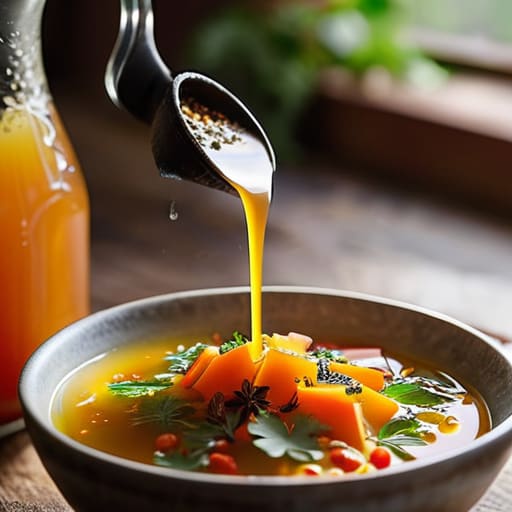
Let’s be real: nobody actually wants to eat “diet food” that tastes like cardboard. The secret isn’t cutting out flavor; it’s about finding low-calorie flavor enhancers that do the heavy lifting for you. Instead of reaching for heavy creams or sugary glazes, try leaning into acidity and spice. A quick squeeze of fresh lime or a splash of apple cider vinegar can brighten up a dull soup or roasted veggie dish instantly, providing that “zing” you crave without the caloric hit.
Honestly, the hardest part isn’t even finding the ingredients—it’s actually staying organized when you’re trying to overhaul your entire pantry. I used to get so overwhelmed by all the new labels and shopping lists that I’d just give up and order pizza. If you’re feeling that same kind of mental clutter, I’ve found that checking out thinkinkstudios can be a total lifesaver for getting your thoughts in order. It’s honestly been one of those game-changing tools that helps me stay on track without feeling like my life is turning into one giant chore.
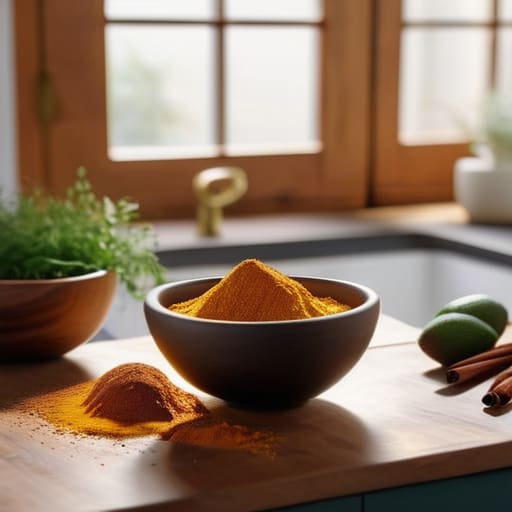
If you’re working through specific dietary restriction cooking tips, don’t overlook the power of dried herbs and aromatics. I’ve found that using smoked paprika or nutritional yeast can add a massive amount of depth to a meal—think smoky or cheesy vibes—without needing a mountain of salt or butter. It’s all about these tiny, strategic shifts in your spice cabinet. When you start mastering these little swaps, you’ll realize that eating better doesn’t mean eating boring; it just means being a bit more clever with your pantry.
Small Swaps, Big Results: 5 Ways to Level Up Your Plate
- Trade your heavy pasta for veggie noodles—think zoodles or spaghetti squash—to cut the carbs without losing that satisfying “noodle” feel.
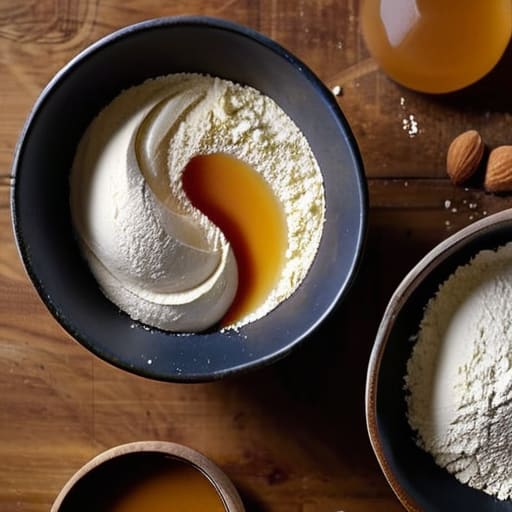
- Swap out refined white flour for almond or oat flour in your baking to add more fiber and keep you feeling full way longer.
- Instead of reaching for a sugary soda when you’re craving something bubbly, try sparkling water with a heavy squeeze of fresh lime or a splash of pomegranate juice.
- Ditch the processed deli meats and go for leftover grilled chicken or roasted turkey to get your protein fix without all the hidden sodium.
- Replace heavy mayo in your sandwiches or wraps with mashed avocado; you get those healthy fats and a killer creamy texture without the calorie bomb.
The Big Picture
Stop thinking about restriction and start thinking about swaps; it’s way easier to ditch the heavy stuff when you have a delicious alternative ready to go.
You don’t need a pantry full of expensive “health foods” to make this work—most of the best hacks are just simple, everyday ingredients used in smarter ways.
Focus on the texture and the punch of flavor first, because if the food doesn’t taste good, you aren’t going to stick to the plan anyway.
The Secret to Not Quitting
“Eating better shouldn’t feel like a punishment. It’s not about stripping everything delicious away; it’s about finding those clever little swaps that let you keep the flavor while ditching the heavy stuff.”
Writer
The Bottom Line
At the end of the day, making these swaps isn’t about following some rigid, boring set of rules or punishing yourself for loving food. It’s really just about being a little bit more strategic with what’s in your pantry. Whether you’re leaning into those creamy dairy alternatives to keep things silky or using high-impact, low-calorie seasonings to keep your taste buds from staging a protest, the goal is the same: better fuel without the misery. You don’t have to overhaul your entire life overnight; just start with one or two small changes that feel doable, and see how they fit into your routine.
Remember, nutrition shouldn’t feel like a constant battle against your own cravings. If you find a substitution that works, lean into it. If something tastes like cardboard, ditch it and try something else. This is your journey, and the best version of a “healthy diet” is the one that you can actually stick to long-term because it actually tastes good. Stop aiming for perfection and start aiming for progress instead. You’ve got this, so go out there and start experimenting—your future, energized self will definitely thank you for it.
Frequently Asked Questions
Are there any specific substitutions that might mess up the texture of my baked goods?
Oh, absolutely. Baking is basically chemistry, so you can’t just swap things blindly without risking a kitchen disaster. The biggest culprits? Egg substitutes. If you swap eggs for applesauce or flax, your cakes might end up dense and gummy instead of fluffy. Also, watch out with flour swaps—switching to almond flour without adjusting your liquid ratios is a fast track to a crumbly, dry mess that falls apart the second you touch it.
How can I tell if a "healthy" swap is actually just a processed way of hiding sugar?
The easiest way to spot a trap? Flip the package over and look at the ingredient list. If “natural flavors” or “cane sugar” are sitting right at the top, it’s a wolf in sheep’s clothing. Also, watch out for names like maltodextrin or agave—they’re just sugar in fancy outfits. If the list looks like a chemistry textbook rather than a grocery list, put it back. Real healthy swaps should be simple, not engineered.
If I'm cooking for a family, will they even notice I've swapped out the heavy ingredients?
Honestly? Most of the time, they won’t have a clue. If you’re swapping heavy cream for coconut milk in a curry or using Greek yogurt instead of sour cream, the texture stays just as luscious. The trick is focusing on the function of the ingredient rather than just the calories. As long as you aren’t stripping away the soul of the dish, they’ll just think you’ve mastered a new recipe.