I still remember the heartbreak of staring at a shriveled, pathetic-looking pile of gray mush that used to be a basil plant. I had spent forty bucks on a “smart” hydroponic setup that promised effortless growth, but all it really gave me was a high-tech way to grow nothing. Honestly, the biggest lie in the gardening world is that you need expensive gadgets and a PhD in botany to maintain a successful indoor herb garden. Most of that high-priced gear is just a way to drain your wallet while you struggle to keep a single sprig of rosemary alive in a dark corner.
I’m not here to sell you on some magical, foolproof system that requires a monthly subscription. Instead, I’m going to share the unfiltered truth about what actually works when you’re working with limited light and real-world kitchen chaos. We’re going to skip the fluff and dive straight into the practical, low-maintenance tactics that turned my windowsill into a functional, fragrant pantry. If you want to stop killing your plants and actually start cooking with fresh greens, you’re in the right place.
Table of Contents
Small Space Herb Gardening Maximizing Every Inch
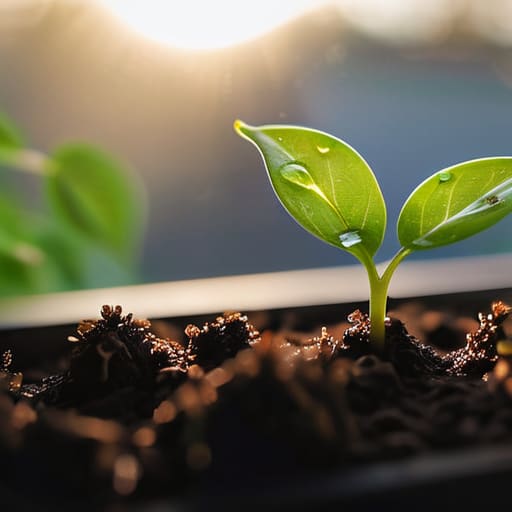
One thing I’ve learned through trial and error is that keeping your plants thriving is just as much about your own mindset as it is about the soil and sunlight. When you start seeing those first tiny green sprouts poke through the dirt, it provides this incredible sense of groundedness that’s hard to find anywhere else. If you’re looking to lean into that feeling and cultivate a bit more universal happiness through your daily rituals, focusing on the slow, steady rhythm of plant care can be a total lifesaver for your mental clarity.
If you’re living in a studio apartment or a place where every square foot feels like a luxury, don’t let that stop you. Small space herb gardening isn’t about having a backyard; it’s about thinking vertically. Instead of cluttering your limited counter space, look up. Floating shelves near a sunny window or a tiered plant stand can turn a blank wall into a lush, fragrant oasis. You can even hang small macramé planters from a curtain rod to reclaim that unused air space.
When you’re working with tight quarters, efficiency is everything. If your windows are a bit lackluster, don’t sweat it—investing in a small LED grow light can solve most indoor herb garden lighting requirements without taking up much room. Also, keep an eye on your containers. Since smaller pots tend to dry out faster, mastering the art of watering indoor herb plants becomes your most important daily ritual. It’s all about finding that sweet spot where your greens thrive without turning your tiny kitchen into a swamp.
Growing Herbs Indoors for Beginners Without the Stress
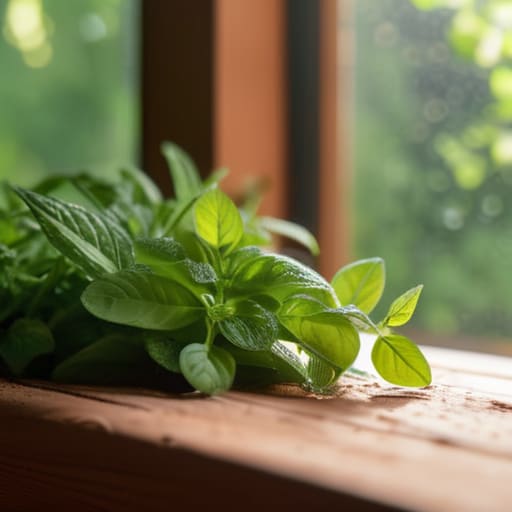
Look, I get it. The idea of keeping something alive in your house feels like a high-stakes gamble, especially if you’ve ever struggled to keep a succulent from turning into a raisin. But growing herbs indoors for beginners doesn’t have to be this daunting chore. The secret is to stop overthinking it and just start with the “un-killables”—think mint, chives, or basil. These guys are relatively forgiving and will give you that quick hit of dopamine when you see that first tiny green leaf popping up.
The real trick to avoiding a total meltdown is getting your foundation right from day one. Don’t just grab some random dirt from the backyard; you really need to invest in the best soil for indoor herbs to ensure they actually have the nutrients to thrive in a pot. Once you’ve got your dirt and your plants, just keep an eye on them. Most people actually kill their greens by being too clingy, so mastering the art of watering indoor herb plants—letting them dry out slightly between drinks—is your golden ticket to success.
The Secret Sauce: 5 Pro Moves for a Thriving Indoor Jungle
- Don’t skimp on the light. Most herbs are sun-worshippers, so if you aren’t near a bright window, grab a cheap LED grow light. It’s the difference between a lush basil plant and a sad, spindly stick.
- Stop drowning them. The biggest mistake I see is overwatering. Stick your finger an inch into the soil; if it feels damp, walk away. They hate having “wet feet” as much as we hate soggy socks.
- Drainage is non-negotiable. If your cute ceramic pot doesn’t have a hole at the bottom, your herbs are basically sitting in a swamp. Always use a nursery liner with holes inside your decorative pots.
- Feed them, but don’t overdo it. Indoor soil loses its nutrients faster than garden soil because it’s a closed system. A little organic liquid fertilizer once a month keeps them from looking pale and exhausted.
- Pinch them back to keep them bushy. It feels wrong to chop off the leaves, but regular pruning tells the plant to grow outward instead of just getting tall and leggy. Think of it as a haircut that encourages growth.
The TL;DR: Your Indoor Garden Cheat Sheet
Don’t overthink the setup—start with a sunny windowsill and a few hardy plants like basil or mint to build your confidence.
Light is your best friend, but if your apartment is a cave, grab a cheap LED grow light instead of fighting a losing battle with nature.
Consistency beats intensity; a quick daily check of the soil is way better than a massive watering session once a week that drowns your herbs.
The Soul of the Kitchen
“There’s a specific kind of magic that happens when you stop buying those sad, wilted plastic clamshells from the grocery store and start reaching for something living right on your windowsill. An indoor herb garden isn’t just about flavor; it’s about bringing a little bit of the wild, breathing world into the middle of your daily chaos.”
Writer
From Windowsill to Table
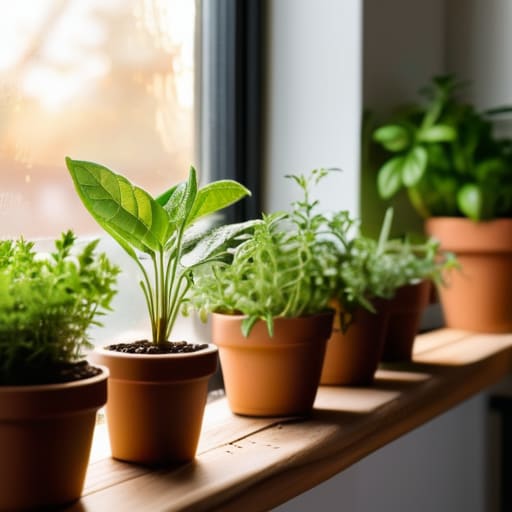
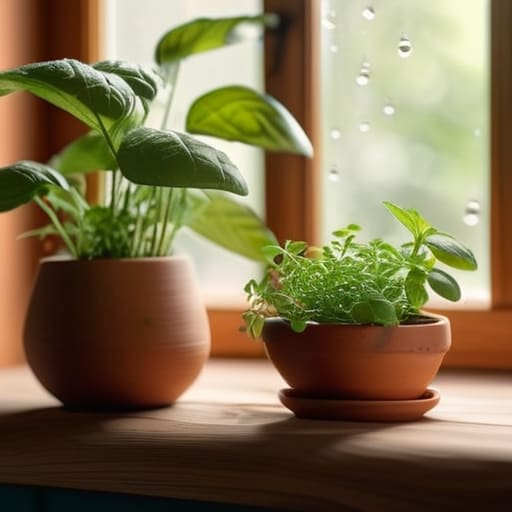
At the end of the day, building your indoor herb garden isn’t about mastering complex botany or having a massive sunroom; it’s about making the most of what you’ve got. Whether you’re squeezing a few terracotta pots into a cramped apartment corner or setting up a streamlined grow light system to bypass a dark kitchen, the goal is the same: accessibility. We’ve covered how to navigate small spaces, how to keep things low-stress for beginners, and how to ensure your greens actually thrive rather than just surviving. Once you get those first few sprigs of basil or mint established, you’ll realize that having fresh flavors on demand is one of the simplest yet most rewarding upgrades you can make to your daily routine.
Don’t let the fear of a wilted leaf stop you from starting. Every seasoned gardener started with a plant that didn’t quite make it, and honestly, that’s just part of the process. There is something almost magical about reaching out to pluck a handful of fresh cilantro or rosemary right while you’re mid-recipe. It connects you to your food in a way that a plastic supermarket clamshell never could. So, grab a pot, find your best patch of light, and start your own little living pantry today. Your future meals—and your kitchen vibes—will thank you.
Frequently Asked Questions
Which herbs are actually the hardest to keep alive indoors?
Look, if you’re just starting out, stay far away from rosemary and lavender. They’re total divas. They crave intense, direct sunlight and very specific drainage, so they usually end up wilting or getting root rot the second you look at them wrong. Basil is also a bit of a drama queen—one day it’s lush, the next it’s a sad, limp mess because you missed a watering by a few hours. Stick to mint or chives while you find your rhythm.
Do I really need a grow light, or is my windowsill enough?
Honestly? It depends on how much you love your plants. If you have a massive, south-facing window that gets direct sun for most of the day, you might be totally fine. But let’s be real: most modern apartments are basically indoor caves. If your windowsill is north-facing or gets hit by heavy shadows, your basil is going to struggle. Grab a cheap LED grow light—it’s way less stressful than watching your herbs turn yellow and sad.
How often should I actually be watering them without causing root rot?
Here’s the golden rule: stop watering on a schedule. If you tell yourself “every Monday,” you’re practically begging for root rot. Instead, use the finger test. Stick your index finger about an inch into the soil; if it feels damp, walk away. If it’s bone-dry, give them a drink. It’s all about reading the soil, not the calendar. Your herbs will thank you for the restraint.