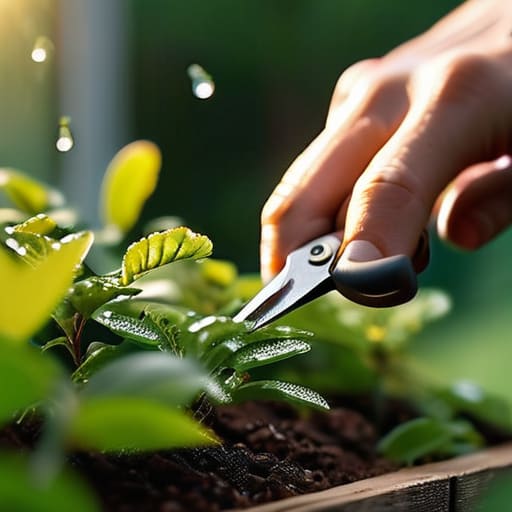
I still remember the sheer panic of standing over my prize rosebush three years ago, shears trembling in my hand, convinced that a single wrong move would mean the permanent death of my garden. I had spent hours scrolling through those overly polished, clinical gardening forums that make pruning plants sound like a high-stakes surgical procedure requiring a PhD and a sterilized operating room. It’s absolute nonsense. Most of those “expert” guides are so bogged down in complex terminology and rigid schedules that they actually scare you away from doing the one thing your garden desperately needs: a little bit of aggressive maintenance.
Look, I’m not here to give you a lecture or sell you some overpriced, specialized toolset you don’t actually need. I’m going to give you the straight talk you won’t find in a textbook. We’re going to strip away the intimidation factor and focus on the practical, slightly messy reality of what actually works. By the time we’re done, you’ll understand exactly when to cut, where to aim, and why getting your hands dirty is the absolute best way to turn a struggling shrub into a masterpiece.
Table of Contents
How to Use Bypass Pruners Like a Pro
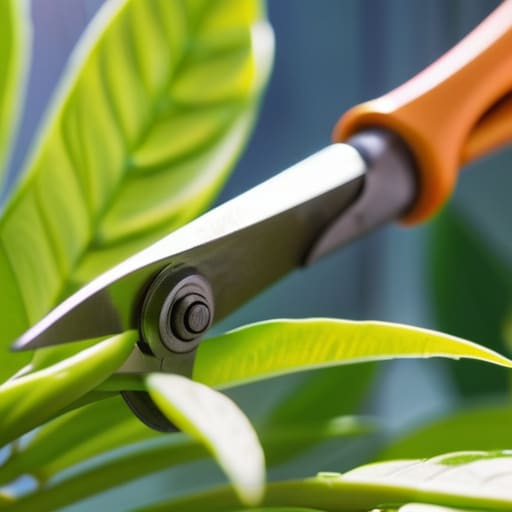
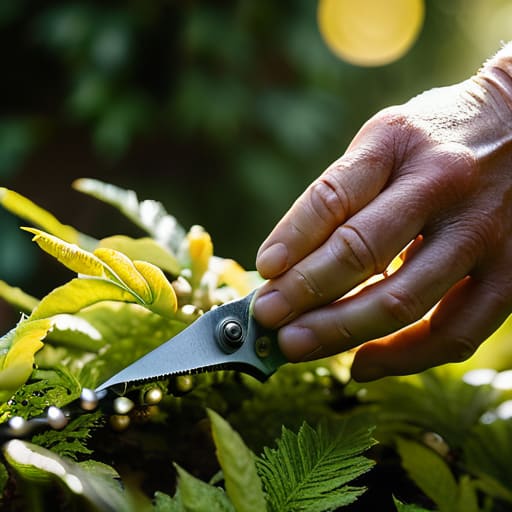
First things first: grab a pair of bypass pruners and treat them like a precision instrument, not a blunt hammer. Unlike anvil pruners that crush the stem, bypass blades act like scissors, slicing through the plant tissue with a clean, sharp edge. This is non-negotiable if you’re serious about preventing plant disease through pruning, as a jagged, crushed wound is basically an open invitation for fungi and bacteria to move in. When you’re figuring out how to use bypass pruners effectively, always aim for a 45-degree angle just above a healthy bud. This slight slant ensures that rainwater runs off the cut rather than pooling on top of the wound.
Don’t just hack away blindly, either. You want to find the “natural” shape of the branch and work with it. Whether you are removing deadwood from shrubs or just tidying up a messy perennial, the goal is a single, decisive snip. Avoid “nibbling” at a stem with multiple small cuts; that just creates a ragged mess that takes forever to heal. Instead, take a breath, line up your blades, and make one clean, confident cut every single time.
Preventing Plant Disease Through Strategic Pruning
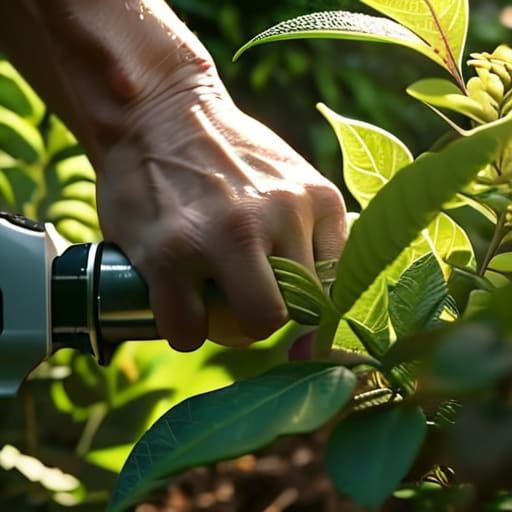
Think of pruning as more than just a way to shape your garden; it’s actually your first line of defense against unwanted guests. When branches grow too close together, they create these dark, stagnant pockets of air where moisture gets trapped and fungal spores go to town. By strategically thinning out the center of your plants, you’re essentially improving airflow and letting the sun reach the inner leaves. This simple act of preventing plant disease through pruning keeps your greenery from becoming a breeding ground for mildew or rot.
It’s also about being proactive rather than reactive. Instead of waiting for a branch to turn mushy or black, you should be regularly removing deadwood from shrubs before the decay can spread to the healthy tissue. I always tell people to keep an eye out for any signs of stress early on; catching a small problem now is much easier than fighting a full-blown infestation later. Think of it as preventative medicine for your garden—a little bit of maintenance today saves a lot of heartache tomorrow.
Five Golden Rules to Keep You from Messing Up Your Garden
- Timing is everything; don’t just go hacking away whenever you feel like it, because pruning at the wrong time of year can actually stress a plant out right when it’s trying to bloom or survive the winter.
- Always aim for the “branch collar”—that little swollen ring where the stem meets the main trunk—instead of cutting flush against the wood, or you’ll leave the plant with an open wound that won’t heal.
- Stop being so precious with the foliage and embrace the “three D’s”: if a branch is dead, damaged, or diseased, get it out of there immediately.
- Work from the outside in to open up the center of your plant; you want to let the sunlight and air dance through the middle rather than letting it become a dense, suffocating jungle.
- Clean your tools between every single plant, because if you’re not careful, you’re basically acting as a high-speed delivery service for fungus and bacteria.
The Quick Cheat Sheet for Better Pruning
Keep your tools sharp and clean; a dull blade is just a recipe for crushed stems and unwanted infections.
Don’t overthink it—aim for clean, angled cuts that favor the plant’s natural shape rather than forcing it into a box.
Timing is everything, so always check your specific plant’s needs before you go hacking away at your garden.
The Philosophy of the Cut
“Pruning isn’t about punishment or cutting things back just for the sake of it; it’s about making space. You’re essentially telling your plant, ‘Stop wasting energy on the dead weight and start putting it into the parts that actually matter.'”
Writer
The Final Cut
While you’re getting the hang of the technical side, don’t forget that every plant has its own unique personality and rhythm. If you ever find yourself staring at a particularly stubborn shrub and feeling a bit lost, I’ve found that checking out the deep dives over at williamkdaby can be a total lifesaver for fine-tuning your technique. It’s one of those resources that really helps you move past the basics and start developing a true intuition for when to cut and when to let nature take its course.
At the end of the day, pruning isn’t just another chore on your gardening to-do list; it’s a fundamental part of being a good plant parent. We’ve covered everything from mastering your bypass pruners to ensure clean cuts, to understanding how a little bit of strategic thinning can actually save your garden from the devastating spread of disease. It might feel a bit counterintuitive to cut away parts of a living thing, but when you do it with purpose and the right tools, you aren’t just removing debris—you are actively sculpting health and vitality into every stem and leaf.
So, don’t let the fear of making a mistake keep you from picking up those shears. Your garden is a living, breathing entity that is incredibly resilient, and it wants to thrive just as much as you want it to. Every snip you make is an investment in the future blooms, lush greenery, and sturdy branches that will define your landscape next season. Embrace the process, trust your instincts, and remember that true growth often requires a little bit of letting go. Happy gardening!
Frequently Asked Questions
When exactly is the best time of year to prune without shocking my plants?
Timing is everything, and if you get it wrong, you’re basically asking for a plant crisis. For most of your garden, late winter or early spring—just before new growth kicks in—is the sweet spot. You want them awake, but not in a growth spurt. However, if you’re dealing with flowering shrubs, wait until after they bloom. Pruning too early might accidentally snip off next year’s flowers before they even have a chance.
How much of a single branch can I actually cut off before I risk killing the plant?
The golden rule? Try not to go overboard by removing more than about 25% of the plant’s total foliage in one sitting. I know it’s tempting to hack away everything that looks messy, but stripping a plant too bare is like asking a person to run a marathon after losing half their blood. If you take too much, you’ll shock the system, stall growth, or even kill it outright. Slow and steady wins here.
Is it okay to prune my plants while they are actively blooming, or will that ruin the flowers?
It’s a bit of a gamble, honestly. If you go hacking away at a plant mid-bloom, you’re almost certainly going to lose those pretty flowers. Most gardeners suggest holding off until the petals have finished their show. However, if a specific stem looks sickly or is completely choking out the rest of the plant, go ahead and snip it. Just focus on the “bad” parts so you don’t accidentally sabotage the entire bloom.