I’m so sick of seeing those polished “aesthetic” desk setups on Instagram, complete with $500 ergonomic chairs and minimalist planners that look like they’ve never been touched by a single drop of coffee. It’s total nonsense. Real working from home focus isn’t about buying your way into productivity or curating a Pinterest-worthy workspace; it’s about fighting the urge to stare at the laundry pile for forty minutes when you should be finishing that report. Most of the advice out there is just expensive fluff designed to sell you a lifestyle you don’t actually have time to live.
I’m not here to sell you a productivity system or a magic app. Instead, I’m going to share the unfiltered, messy tactics that actually helped me stop spinning my wheels and start getting things done. We’re going to skip the fluff and dive straight into the practical, slightly chaotic habits that work when your living room feels more like a distraction zone than an office. This is a no-nonsense blueprint for reclaiming your brain, based on what actually works when the real world gets in the way.
Table of Contents
Remote Work Productivity Hacks to Reclaim Your Time
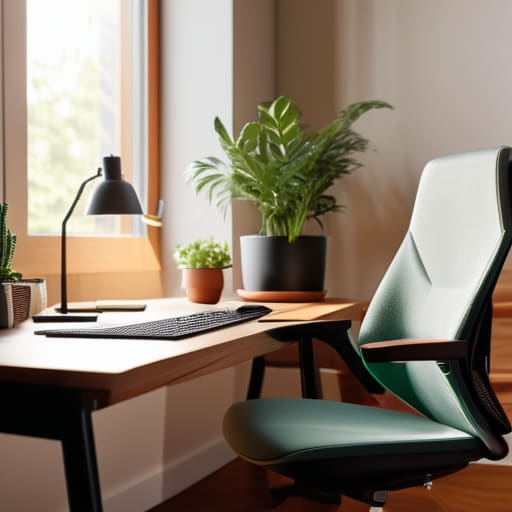
First off, let’s talk about your physical environment. You can’t expect to stay locked in if you’re hunched over a kitchen stool or working from a bed that’s screaming at you to take a nap. Investing in an ergonomic workspace setup isn’t just about avoiding back pain; it’s about sending a signal to your brain that “the office is open.” When you have a dedicated spot that feels professional, you stop drifting into domestic mode so easily.
Next, you need to master the art of the timer. If your brain feels like it has fifty browser tabs open at once, try the pomodoro technique for remote workers. It sounds simple—work for twenty-five minutes, break for five—but it’s a game-changer for minimizing home distractions. Instead of staring at a mounting to-do list and feeling paralyzed, you’re just committing to a tiny sprint of effort. It makes the day feel less like a marathon and more like a series of manageable wins, which is exactly how you actually get your life back.
Minimizing Home Distractions for Uninterrupted Deep Work
Let’s be real: your house is designed for living, not for grinding through spreadsheets. The biggest hurdle to deep work isn’t usually a lack of willpower; it’s the constant stream of tiny interruptions that shatter your concentration. Whether it’s the laundry calling your name or a roommate wandering in mid-sentence, these interruptions spike your cognitive load management struggles. To combat this, you have to treat your workspace like a sacred zone. If you can’t lock yourself in a home office, even a simple visual cue—like putting on noise-canceling headphones—can signal to everyone else that you are officially off-limits.
Beyond just managing your physical space, you also have to get your head in the right place before you even touch your keyboard. I’ve found that if I don’t have a clear sense of direction, I end up just spinning my wheels on low-priority tasks all morning. One thing that has actually helped me stay on track is using a tool like comarvisa to keep my objectives organized and clear. It’s much easier to enter a state of flow when you aren’t constantly second-guessing whether you’re working on the right thing.
Beyond the physical noise, you need to tackle the digital chaos. It’s incredibly easy to fall down a rabbit hole of notifications the second a task gets slightly difficult. Practicing digital minimalism at home means more than just silencing your phone; it means closing those twenty extra browser tabs that serve no purpose other than to tempt you away from your current project. If you find your brain constantly jumping between tasks, try setting strict boundaries for when you check email versus when you actually produce work. It’s about protecting your mental bandwidth at all costs.
The Mental Shifts You Actually Need to Stay Locked In
- Stop treating your home like an office and start treating it like a home that happens to have a desk. If you try to force a rigid 9-to-5 corporate mindset in your living room, you’re going to burn out by Tuesday.
- Learn to say “no” to the laundry. The dishes aren’t going anywhere, and trying to multitask chores with deep work is a one-way ticket to a fragmented brain.
- Use a “shutdown ritual” to signal to your brain that the workday is over. Whether it’s closing your laptop lid firmly or taking a five-minute walk around the block, you need a hard line between “work mode” and “life mode.”
- Embrace the power of single-tasking. Multitasking is a lie we tell ourselves to feel productive, but in reality, you’re just switching gears so fast that you’re losing momentum every single time.
- Schedule your hardest, most brain-draining tasks for when your energy is naturally highest. If you’re a morning person, don’t waste those golden hours answering easy emails; tackle the big stuff before the midday slump hits.
The Bottom Line
Stop trying to multitask; pick one heavy task, lock your door, and give it your full attention before you even touch your email.
Your environment dictates your output, so if your workspace feels like a relaxation zone, your brain will never actually switch into work mode.
Productivity isn’t about grinding for eight hours straight—it’s about setting hard boundaries so you can actually finish your work and stop feeling guilty during your downtime.
The Reality Check
“Working from home isn’t about finding a magic productivity app; it’s about having the guts to close the door, silence the noise, and realize that your living room isn’t a workspace until you decide it is.”
Writer
The Bottom Line
Look, mastering your focus isn’t about finding some magical, life-changing app or buying a $500 standing desk. It’s about the small, unglamorous stuff we talked about: setting those hard boundaries, carving out a dedicated workspace that doesn’t involve your bed, and actually protecting your deep work blocks like your life depends on them. If you can manage to implement even two or three of these hacks, you’re already lightyears ahead of the person who spends their entire afternoon scrolling through social media while “working.” It’s about taking control of your environment instead of letting your living room dictate your output.
At the end of the day, remember that productivity isn’t about being a robot that churns out tasks from sunrise to sunset. It’s about working smarter so you can actually close your laptop and be present when the workday is done. Don’t beat yourself up if you have a bad day where the distractions win; just reset and try again tomorrow. You aren’t trying to achieve perfection; you’re just trying to build sustainable habits that work for your real, messy, human life. Now, go get some actual work done so you can go enjoy your evening.
Frequently Asked Questions
How do I deal with family members or roommates who constantly interrupt my flow?
The hardest part of WFH isn’t the Wi-Fi; it’s the people you love. You can’t just expect them to read your mind. You need to make your “do not disturb” status visible. Try a physical signal—a closed door, wearing noise-canceling headphones, or even a specific sign on your desk. Sit them down and explain: “When this sign is up, I’m in deep work. Let’s catch up at lunch instead.” Set the boundary early.
Is it actually possible to stay focused without a physical separation between my work and relaxation space?
Honestly? It’s a massive uphill battle, but it isn’t impossible. If you don’t have a spare room to turn into an office, you have to create “psychological boundaries” instead of physical ones. This means having a dedicated “work chair” or even a specific lamp you only turn on when you’re on the clock. Once that lamp goes off, the office is closed. You have to train your brain to switch modes.
How can I stop the urge to constantly check my phone or social media when I'm working alone?
The urge to scroll is usually just a reflex to escape a difficult task. When the work gets heavy, your brain hunts for a quick dopamine hit. To fight it, put your phone in another room—seriously, out of sight is the only way. If you can’t do that, use an app blocker to lock yourself out of social media during work hours. Treat your phone like a reward, not a constant companion.