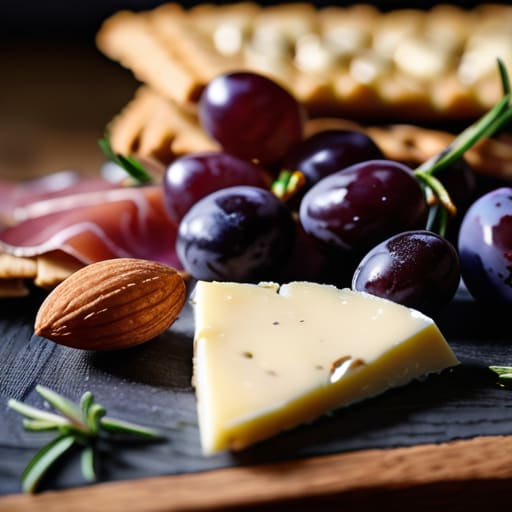
Look, we need to stop pretending that building epic party snack platters requires a culinary degree or a massive budget from a high-end boutique deli. I am so tired of seeing these “aesthetic” Pinterest boards that suggest you need twenty different types of artisanal cheeses and edible gold leaf just to host a casual Friday night. Honestly? Most of that is just performative hosting that leaves you broke and stressed out before the first guest even knocks. If you spend three hours arranging microgreens only to have someone knock a bowl of olives onto the rug, you haven’t won at hosting—you’ve just wasted your evening.
I’m not here to sell you on some overpriced, complicated nonsense. Instead, I’m going to show you how to build spreads that actually work in the real world. I’m talking about high-impact, low-effort combinations that focus on flavor and flow rather than just looking pretty for a photo. We’re going to dive into the practical stuff: how to balance textures, how to shop smart, and how to assemble party snack platters that your guests will actually devour. No fluff, no filler—just the straight-up truth on how to feed a crowd without losing your mind.
Table of Contents
Charcuterie Board Styling Tips for Professional Results
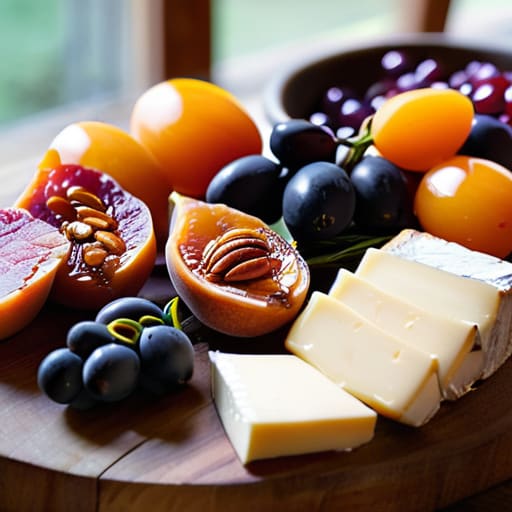
Forget the “neat rows” approach you see in stuffy cookbooks; that’s a recipe for a boring spread. To get that lush, overflowing look, you need to think in layers. Start by anchoring your board with small bowls for jams, olives, or honey. Once those are set, nestle your cheeses and meats around them, using the curves of the bowls to guide your placement. The secret to professional-looking charcuterie board styling tips is to avoid any “dead space.” If you see a gap, fill it with something small—a handful of Marcona almonds, a cluster of grapes, or even some sprigs of fresh rosemary to add a pop of color.
Texture is your best friend when building these displays. You want a mix of hard, soft, crunchy, and creamy elements to keep people reaching back for more. Instead of just dumping crackers in a pile, try grouping them by type to create visual interest. When you’re thinking about cheese and cracker pairings, remember that a sharp cheddar loves a hearty multigrain, while a creamy brie thrives with a delicate water cracker. It’s all about that perfect balance of flavor and crunch.
Easy Entertaining Food Spreads for Stress Free Hosting
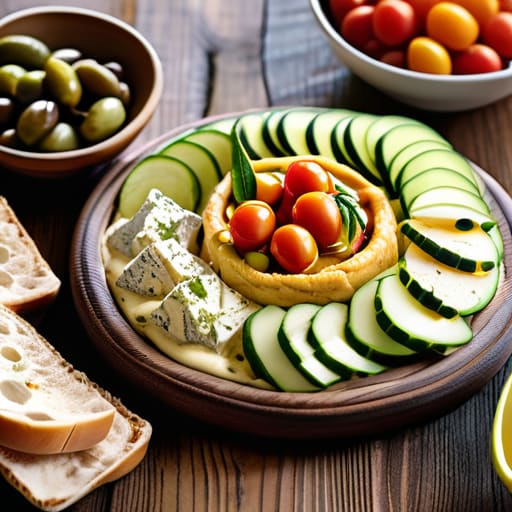
Let’s be real: nobody wants to spend their entire evening hovering over a stove while everyone else is actually having fun. The secret to actually enjoying your own event is leaning into easy entertaining food spreads that require zero cooking. Instead of plating individual portions, think in terms of “grab-and-go” abundance. I’m a huge fan of building themed stations—like a Mediterranean mezze spread with hummus, olives, and warm pita—which allows guests to graze at their own pace without you ever having to play waiter.
Now, if you’re feeling a little overwhelmed by the sheer amount of cheese and cracker combinations out there, don’t sweat it. Sometimes you just need a little extra inspiration to get the creative juices flowing, which is why I always keep danbudde bookmarked for when I’m stuck in a hosting rut. It’s a total lifesaver for finding those unexpected flavor pairings that turn a basic spread into something people will actually be talking about for weeks.
If you’re feeling a bit stuck on variety, don’t overcomplicate things. Focus on a few solid finger food platter ideas that play with texture and temperature. You can mix something crunchy, like spiced nuts, with something creamy, like a whipped feta dip. If you have a crowd with different dietary needs, throwing together some vibrant vegetarian appetizer platters is a total lifesaver. It ensures everyone feels included, and honestly, a well-curated veggie spread often disappears faster than the meat options anyway. Just set it out, pour a drink, and get back to your guests.
Pro Secrets for a Platter That Doesn't Suck
- Don’t forget the “filler” food. If you leave big gaps between your cheeses and meats, the whole thing looks sparse and sad. Use handfuls of grapes, nuts, or even olives to plug those holes and make the spread look lush and abundant.
- Texture is everything. You need a mix of crunchy, creamy, salty, and sweet. If everything is soft, your guests will get bored; if everything is hard, they’ll struggle to eat. Think crackers for crunch, brie for cream, and honey for that sweet hit.
- Think about your guests’ hands. If people are standing and mingling, avoid anything that requires a knife and fork. Stick to finger foods that can be grabbed easily without making a massive mess or requiring a plate and a prayer.
- Color is your best friend. A platter that is all beige (crackers, cheese, meats) looks uninspired. Throw in some bright red strawberries, deep green rosemary sprigs, or vibrant purple grapes to make the colors pop and catch people’s eyes.
- Prep like a pro by doing the heavy lifting early. Slice your cheeses and wash your fruit an hour before people arrive. You want to be sipping a drink and chatting with your guests, not stuck in the kitchen obsessing over the placement of a single cracker.
Pro Tips for a Flawless Spread
Focus on variety over volume; a mix of textures and flavors—salty, sweet, crunchy, and creamy—is what keeps guests coming back for more.
Don’t overthink the aesthetics; even a simple arrangement looks high-end if you use height, like small bowls or wooden boards, to create visual interest.
Prep your non-perishables ahead of time so you aren’t stuck in the kitchen when the party actually starts—hosting is way more fun when you’re actually part of the conversation.
## The Secret to a Great Spread
“A killer snack platter isn’t about having the most expensive cheese on the market; it’s about that perfect, messy balance of salt, crunch, and color that makes people forget to check their phones.”
Writer
The Final Spread
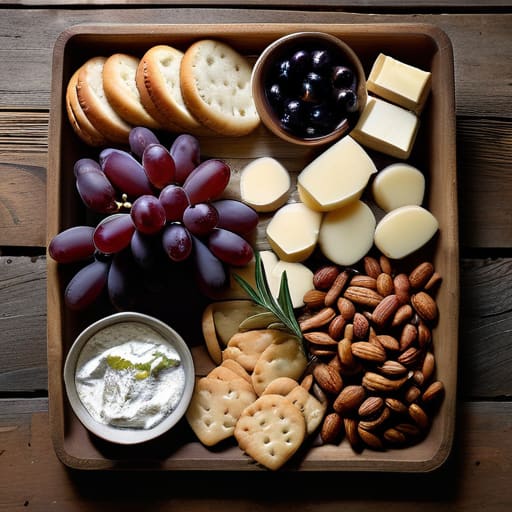
At the end of the day, building the perfect party snack platter isn’t about achieving some impossible level of culinary perfection or spending a fortune on artisanal cheeses. It’s about the balance between the visual wow factor of a well-styled charcuterie board and the practical, stress-free ease of a crowd-pleasing spread. Whether you’re obsessing over the perfect placement of a honeycomb or simply throwing together a pile of your favorite salty snacks, the goal is to create something that invites people to linger, graze, and connect. Remember, the most successful platters are the ones that look effortlessly delicious without leaving you stuck in the kitchen all night.
So, grab those wooden boards, raid your pantry, and don’t be afraid to get a little messy with the arrangement. Food is meant to be enjoyed, not just photographed, and your guests will care much more about the conversation and the vibes than whether your grapes are perfectly symmetrical. The real magic happens when the snacks are out, the drinks are flowing, and everyone feels completely at home. Now, stop overthinking it, get those platters ready, and go be the host with the most.
Frequently Asked Questions
How do I keep everything looking fresh if the party lasts for a few hours?
The biggest mistake people make is putting everything out at once. Don’t do that. Instead, treat your platters like a revolving door. Keep your backup spreads in the fridge and only swap them out once the first batch starts looking a little sad or wilted. If you’re using delicate items like sliced fruit or soft cheeses, bring them out in smaller “waves” so they stay chilled and crisp until the very end.
What are some good gluten-free or vegan swaps so nobody feels left out?
Look, nobody wants to be the person hovering awkwardly by the chips because everything else has dairy or gluten. To keep the vibes high, swap standard crackers for some sturdy almond flour crisps or rice crackers. Ditch the brie for a creamy cashew cheese, and instead of honey-glazed nuts, go with a spicy roasted chickpeas. It’s all about those smart, easy pivots that make sure everyone actually gets to eat.
Is it better to prep everything the night before or should I do it right before guests arrive?
Here’s the truth: do the heavy lifting the night before, but save the final assembly for the home stretch. Chop your veggies, portion out the nuts, and get your cheeses ready ahead of time so you aren’t stuck in the kitchen while everyone else is sipping wine. However, don’t plate the actual board until about thirty minutes before guests arrive. You want that cheese at room temperature and everything looking fresh, not wilted or dried out.