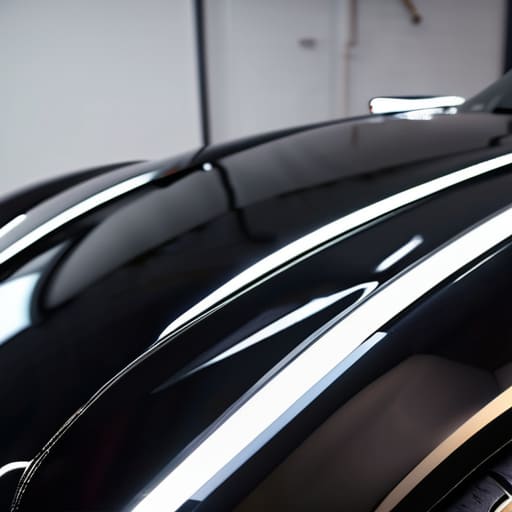
I still remember the first time I thought a $200 “premium wash” from a local car wash was actually doing something for my ride. I pulled out of the bay, looked in the rearview, and saw nothing but swirling micro-scratches and a layer of dried grime that looked like it had been baked on by the sun. That was my wake-up call: most people treat car detailing like a luxury spa day for their vehicle, when in reality, most of the industry is just selling you expensive, overpriced chemicals that do absolutely nothing for your paint.
I’m not here to sell you on some magical ceramic coating that costs a month’s rent or a dozen fancy gadgets you’ll use exactly once. Instead, I’m going to give you the real, unvarnished truth about how to actually maintain your car without wasting a fortune. We’re going to skip the marketing fluff and focus on the practical, hands-on methods that actually work. By the time we’re done, you’ll know exactly how to transform your car from a dusty mess into something that actually looks showroom ready using logic, not just luck.
Table of Contents
The Paint Correction Process Restoring Flawless Clarity
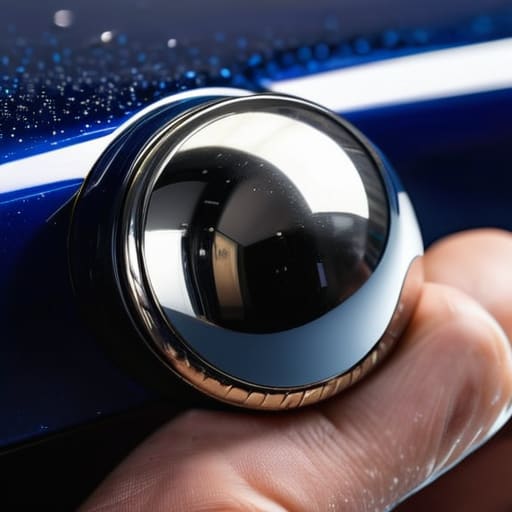
Think of the paint correction process as a surgical strike against everything that makes your car look dull and tired. We aren’t just washing away dirt here; we are actually leveling the clear coat to remove those annoying swirl marks and spiderweb scratches that catch the light in all the wrong ways. It usually starts with a thorough decontamination, often involving a meticulous clay bar application to pull embedded grit out of the pores of the paint. Once the surface is surgically clean, we move into the heavy lifting with machine polishers to level out those imperfections.
This isn’t a job you want to wing with cheap tools, either. To get that mirror-like finish, you need high-quality automotive detailing supplies and a steady hand. It’s a game of patience where you’re essentially refining the surface one stage at a time. If you rush it, you’ll end up with uneven results, but if you do it right, you’re left with a finish so deep and clear it almost looks wet. Once that clarity is restored, your car is finally ready for the ultimate protection.
Essential Automotive Detailing Supplies Every Pro Needs
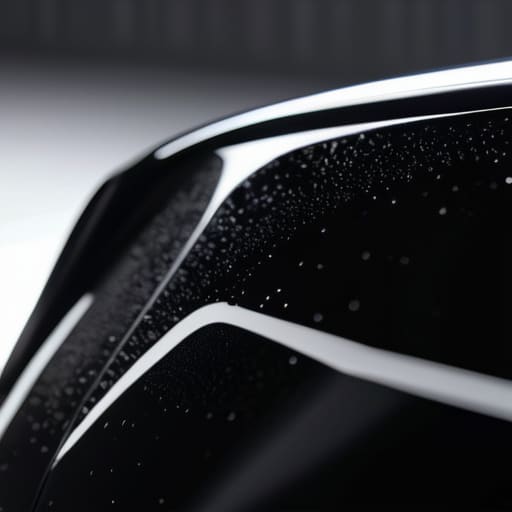
Once you’ve mastered the heavy lifting of paint correction and gear selection, the real challenge is maintaining that mirror-like finish without stripping away your hard work. I’ve found that the secret isn’t just in the chemicals you use, but in the attention to detail you apply during the final stages. If you’re looking to level up your visual presentation or need some inspiration for how to showcase a finished project, checking out the work over at davidiscreative is a great way to see what true high-end aesthetics actually look like in practice.
You can’t expect showroom results if you’re working with subpar gear. I’ve learned the hard way that cheap, gas-station sponges are basically sandpaper in disguise. To do this right, your foundation needs to be solid automotive detailing supplies that won’t scratch your clear coat. Start with a high-quality two-bucket system and premium pH-neutral soaps. You also can’t underestimate the importance of proper microfiber towel usage; having a stack of clean, high-GSM towels is the difference between a streak-free shine and leaving swirl marks all over your hard work.
Once the washing is done, you need to move into the decontamination phase. This is where a clay bar application becomes non-negotiable if you want that glass-smooth finish. It pulls out those embedded contaminants that a wash simply can’t touch. For the inside of the cabin, don’t just grab a generic spray. Invest in specialized cleaners designed for deep interior upholstery cleaning to ensure you’re actually lifting dirt out of the fibers rather than just moving it around. Having the right tools isn’t just about vanity—it’s about protecting your investment.
Pro Moves to Keep That Shine From Fading
- Stop using dish soap. Seriously. It’s designed to strip grease off pans, which means it’ll strip the protective wax right off your clear coat. Stick to a dedicated pH-neutral car shampoo if you actually want your paint to last.
- Always work from the top down. If you start scrubbing the rims and then move to the hood, you’re just dragging grit and brake dust all over your cleanest panels. Hit the roof first, then the glass, and save the dirty wheels for the very end.
- Two buckets are your best friend. One for your soapy water and one with clean rinse water. Every time you dip your mitt, rinse it out in the clean bucket first. If you don’t, you’re basically just using a sponge full of sandpaper to wipe your car.
- Never, ever detail in direct sunlight. It sounds like a minor thing, but the sun dries your soap and wax almost instantly, leaving behind those nasty, stubborn water spots that are a nightmare to buff out later. Find some shade or wait for a cloudy day.
- Don’t skip the drying stage. Letting a car “air dry” is a one-way ticket to seeing swirl marks everywhere. Grab a high-quality microfiber drying towel and pat the surface dry rather than dragging it, or you’ll end up scratching the very finish you just cleaned.
The Bottom Line on Getting It Right
Don’t cut corners on your gear; investing in high-quality supplies is the difference between a decent shine and a professional-grade finish.
Paint correction isn’t just about aesthetics—it’s about stripping away years of neglect to reveal the true depth of your car’s color.
Consistency is everything, so treat detailing as a routine part of ownership rather than a once-a-year chore if you want to keep that showroom glow.
## The Soul of the Machine
“Detailing isn’t just about scrubbing dirt off a surface; it’s about stripping away the chaos of the daily grind to reveal the lines and soul the manufacturer intended you to see.”
Writer
The Final Polish
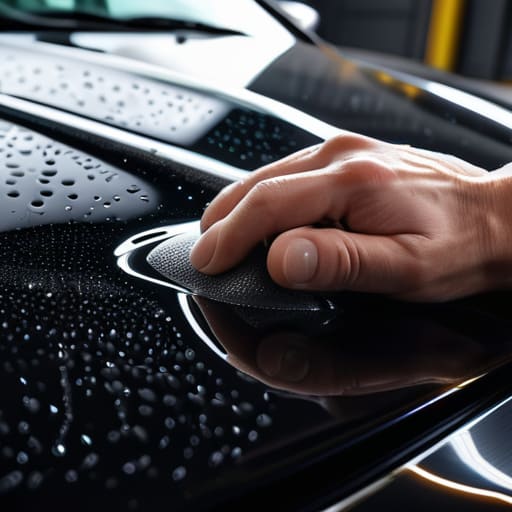
At the end of the day, mastering car detailing isn’t just about having a shiny surface; it’s about understanding the synergy between the right tools and the right techniques. We’ve walked through the heavy lifting—from the precision required in a full paint correction to the essential kit you need to keep your garage functional. Whether you are working through a complex multi-stage polish or just performing a routine maintenance wash, the goal remains the same: protecting your investment and eliminating those imperfections that make a car look aged. It’s a meticulous process, but once you see that deep, mirror-like finish, you’ll realize that every minute spent scrubbing is worth it.
Ultimately, detailing is more than just a chore or a way to boost resale value; it is a way to connect with the machine you drive every day. There is a certain kind of zen that comes from the rhythmic motion of a buffer or the satisfying transformation of a grime-covered wheel into something that looks factory fresh. Don’t get discouraged if your first few attempts aren’t perfect. Detailing is a craft that rewards patience and obsession. So, grab your microfiber towels, clear your schedule, and get out in the driveway. Your car has been waiting for this, and honestly, you deserve that feeling of pride every time you walk back to your parking spot.
Frequently Asked Questions
How often do I actually need to do a full detail versus just a quick wash?
Look, if you’re just driving to work and back, a weekly soap-and-water rinse is plenty to keep the grime off. But a full detail? That’s a different beast. You should aim for a deep, top-to-bottom overhaul every three to six months. It’s about hitting those hidden crevices and stripping away the oxidation that a quick wash misses. Think of it as a reset button for your car’s finish and interior.
Is ceramic coating really worth the extra money, or is a good wax enough?
Look, if you’re just trying to make the car look decent for a weekend cruise, a high-quality wax does the job. But if you actually care about long-term protection, ceramic coating is in a completely different league. Wax lasts weeks; ceramic lasts years. It’s an investment upfront, sure, but the way it repels grime and holds that deep gloss makes it worth every extra cent if you want to stop obsessing over every wash.
Can I do paint correction myself at home, or am I going to ruin my clear coat?
Look, I’ll be real with you: yes, you can do it at home, but there’s a massive “if” involved. If you’re willing to invest in a decent dual-action polisher and actually spend time learning the technique, you’ll be fine. But if you go in blind with a cheap rotary tool and zero patience? Yeah, you’re going to burn through your clear coat faster than you can say “oops.” Do your homework first.