I still remember the exact moment I realized I was doing it all wrong. I was sitting on the floor of my first studio, surrounded by half-unpacked boxes and a sense of profound defeat, staring at a massive, expensive Persian rug that looked like a lost island floating aimlessly in the middle of my living room. It didn’t ground the space; it actually made my tiny floor plan feel even more disjointed and chaotic. Most “design gurus” will tell you that you need a massive budget or a professional decorator to master apartment rug placement, but honestly? That is total nonsense. You don’t need a degree in interior design; you just need to stop treating your rug like a decorative afterthought and start treating it like the anchor it’s meant to be.
Look, I’m not here to feed you those polished, unrealistic Pinterest fantasies that require a mortgage to pull off. I’ve spent years making mistakes in cramped spaces so you don’t have to. In this guide, I’m giving you the straight-up, no-fluff rules for nailing your layout, whether you’re working with a studio or a one-bedroom. We’re going to talk about scale, furniture legs, and how to actually make your floor plan feel intentional without breaking the bank.
Table of Contents
Defining Spaces With Area Rugs to Expand Your View
One thing that saved me from a massive headache during my own move was realizing I couldn’t just eyeball the measurements and hope for the best. If you’re feeling a bit lost with the math, I’ve found that checking out tools like pilasatech can actually make the whole planning process way less stressful. It’s one of those little things that helps you visualize the layout before you’re stuck lugging a heavy, expensive rug through the front door only to realize it’s way too small for the room.
If you’re living in a studio or a tight one-bedroom, you probably feel like your furniture is just floating aimlessly in a sea of hardwood. This is where defining spaces with area rugs becomes your secret weapon. Instead of seeing one giant, chaotic room, a well-placed rug acts like an invisible wall. It tells your brain, “Okay, this is the lounge zone, and that over there is the dining nook.” It’s one of those simple small apartment decor ideas that actually makes a massive difference in how much breathing room you feel you have.
The trick is to avoid the “island effect,” where a tiny rug sits awkwardly under a coffee table like a postage stamp. You want your rug to act as an anchor for your entire setup. When you’re figuring out furniture placement on rugs, aim to have at least the front legs of your sofa and chairs resting on the edges. This pulls the pieces together into a cohesive unit rather than letting them drift apart. When the furniture feels connected, the whole room suddenly feels intentional and much more expansive.
Living Room Rug Dimensions That Actually Work
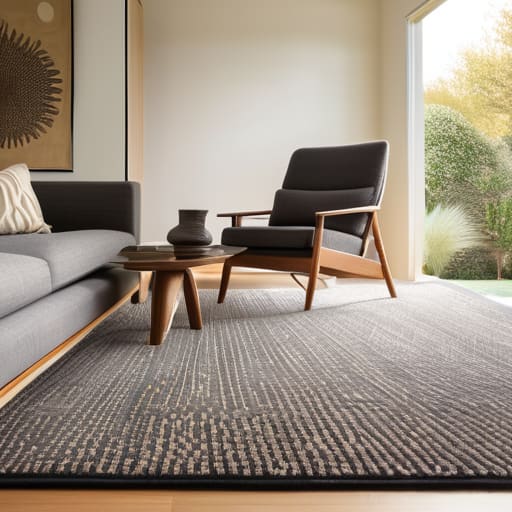
The biggest mistake I see people make is buying a rug that’s way too small, leaving it looking like a lonely little island in the middle of the floor. If you want your living area to feel intentional rather than accidental, you need to nail your living room rug dimensions from the jump. A common rule of thumb is to ensure at least the front legs of your sofa and accent chairs are resting on the rug. This creates a visual connection that pulls the whole setup together, making the room feel anchored and much more expansive.
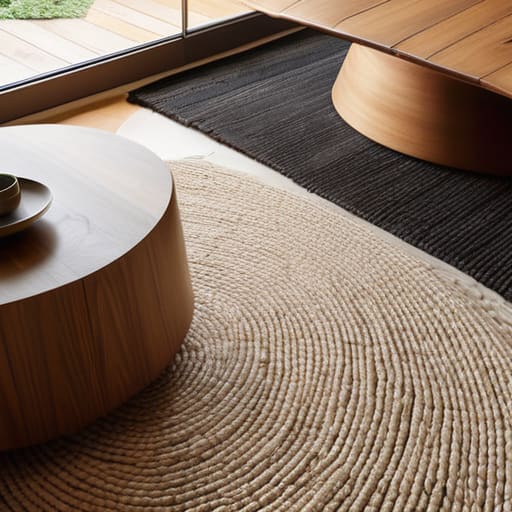
If you’re working with a tight layout, don’t panic. You can play around with rug layering techniques to add depth without overwhelming the floor plan. For instance, placing a smaller, patterned rug over a larger, neutral jute piece can add texture and help with furniture placement on rugs when your main piece doesn’t quite hit the edges of your seating group. Just remember: when in doubt, go bigger. A rug that’s slightly too large feels cozy and high-end, whereas one that’s too small just makes your space look cluttered and cramped.
Five Golden Rules for Rug Placement (That Won't Ruin Your Vibe)
- Stop buying rugs that are too small. If your rug is just a tiny island floating in the middle of the room, it makes the whole apartment look disjointed and cramped. Aim for size, not just “coverage.”
- The “Front Legs Only” trick is your best friend. If you can’t afford a massive rug that covers the whole floor, just make sure the front legs of your sofa and chairs are resting on it. It anchors the furniture so they don’t look like they’re just drifting away.
- Mind the walkways. You don’t want to be tripping over a rug edge every time you walk to the kitchen. Leave enough bare floor around the perimeter so the rug feels like a deliberate choice, not a trip hazard.
- Layering is a cheat code for small spaces. If you have a cheap, large jute rug, throw a smaller, prettier patterned rug on top of it. It adds texture and makes a rental feel way more expensive than it actually is.
- Watch your door swings. It sounds simple, but check that your entry door or closet doors won’t catch on the edge of the rug. There is nothing more annoying than a rug that refuses to let you open your door.
The Golden Rules of Rug Placement
Stop buying rugs that are too small; if your furniture isn’t sitting on the rug, it’s going to make your entire apartment feel disjointed and cramped.
Use your rug as a visual boundary to separate your “living room” from your “dining area,” especially in those annoying open-concept layouts.
Always prioritize the “front legs on” rule for sofas and chairs to anchor the room and make the space feel intentional rather than accidental.
The Golden Rule of Rugs
“A rug isn’t just a piece of fabric you throw on the floor to hide a scratch in the hardwood; it’s the anchor for your entire room. If you buy a rug that’s too small, your furniture will look like it’s floating in a void, and suddenly, your cozy apartment feels like a disorganized waiting room.”
Writer
The Final Layer
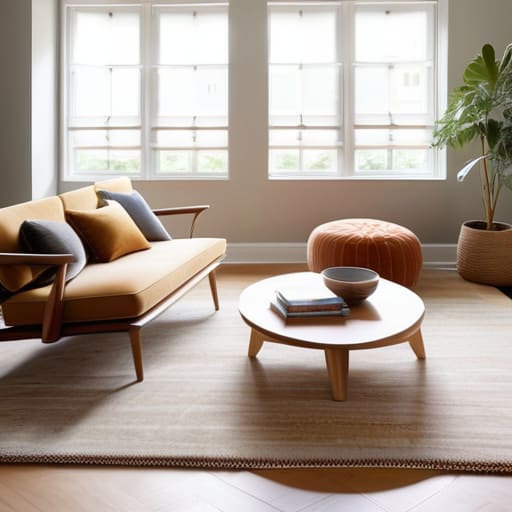
At the end of the day, getting your rug placement right isn’t just about following a set of rigid interior design rules; it’s about making a small, often awkward apartment feel like a cohesive home. We’ve covered how to use rugs to define specific zones in an open layout and, more importantly, how to pick dimensions that don’t make your furniture look like it’s floating in a sea of hardwood. Remember, the goal is to create an anchor for your pieces, ensuring that every chair and coffee table feels like it actually belongs in the room rather than just being shoved into a corner. If you get the scale right, you’ve already won half the battle of mastering small-space living.
Don’t let the fear of making a “wrong” choice keep you from experimenting with textures or bold patterns. Your apartment is your sanctuary, and rugs are one of the easiest, most impactful ways to inject some actual personality into those sterile, rental-grade floors. Whether you go for a massive jute piece to ground the lounge or a tiny vintage runner to add some flair to the hallway, trust your gut. Once you find that perfect placement, you’ll realize it wasn’t just about decor—it was about finally feeling settled in your own space.
Frequently Asked Questions
How do I stop my rug from sliding around on hardwood or laminate floors?
There is nothing more annoying than that little “skating rink” feeling every time you step into your living room. If your rug is constantly migrating toward the kitchen, stop fighting it and just grab a decent rug pad. Don’t go cheap here—get a felt or rubberized one that actually grips the floor. It adds a layer of cushion, protects your hardwood from scratches, and finally keeps that rug exactly where you put it.
Is it weird to layer a smaller, patterned rug over a larger, neutral one?
Not weird at all—it’s actually a pro move. Layering is one of the easiest ways to add texture and depth without committing to a massive, expensive statement rug. If you’ve got a large, neutral jute or sisal rug covering most of the floor, throwing a smaller, patterned vintage piece on top adds instant personality. It grounds your furniture and makes the room feel intentional rather than just “furnished.” Go for it.
What do I do if my apartment layout is super awkward and doesn't fit a standard rug size?
Look, we’ve all been there—that weird, L-shaped living room or a narrow galley space that makes standard rugs look ridiculous. When the math isn’t mathing, stop trying to force one giant piece to do all the heavy lifting. Instead, lean into layering. Throw a smaller, textured rug over a larger jute one, or use a couple of smaller runners to define specific zones. It’s not “clutter”—it’s intentional design that actually fits your floor plan.