I’m so sick of seeing those Pinterest boards that claim you need a sprawling sunroom or a custom-built mahogany library to actually enjoy a book. Honestly, if you think you need a massive renovation budget just to carve out a small reading nook, you’ve been lied to by people selling overpriced furniture. You don’t need a dedicated wing of the house; you just need a corner that doesn’t make your back ache and a light that doesn’t strain your eyes. I spent years trying to force myself to read in the middle of a chaotic living room, only to realize that a tiny, intentional space is worth more than a dozen empty, oversized rooms.
In this guide, I’m skipping the fluff and the “aesthetic” nonsense to give you the actual, boots-on-the-ground truth. I’m going to show you how to claim your own small reading nook using what you already have, focusing on real comfort and smart, low-cost layouts. No designer jargon, no impossible expectations—just honest, practical ways to build a sanctuary that actually works for your life.
Table of Contents
Mastering Minimalist Book Nook Design for Tiny Spaces
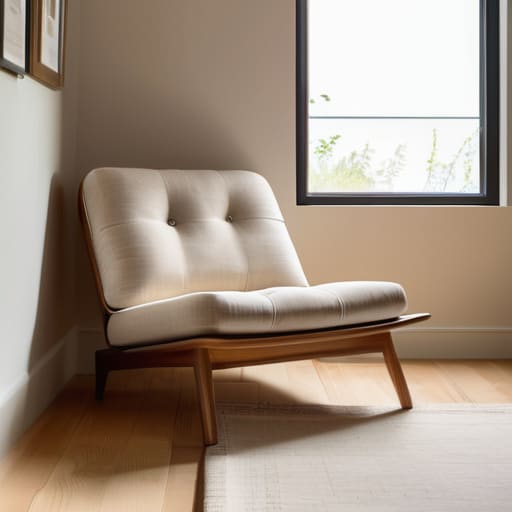
When you’re working with limited square footage, the temptation is to go big with a massive armchair and a sprawling bookshelf. Resist that urge. The secret to successful minimalist book nook design is all about intentionality—choosing pieces that serve a purpose without swallowing your floor plan. Think about a slim, low-profile floor cushion or a single, sculptural accent chair that doesn’t visually clutter the room. By keeping the silhouette clean, you create a sense of openness that makes even the tightest corner feel like a deliberate sanctuary rather than a cramped storage spot.
Lighting is where you truly elevate the vibe. Instead of a bulky floor lamp that eats up precious real estate, look into clever reading nook lighting solutions like a sleek wall-mounted sconce or even a dimmable clip-on light. This keeps your surfaces clear and directs the focus exactly where it needs to be: on your pages. If you’re lucky enough to have a deep windowsill, a built-in window seat reading area is the ultimate way to maximize space while soaking up natural light, proving that you don’t need much room to create something truly magical.
Finding Perfect Reading Nook Furniture for Small Rooms
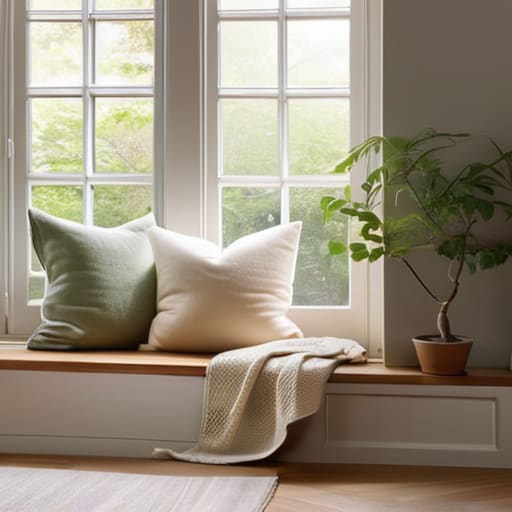
When you’re working with limited square footage, the biggest mistake is picking a chair that’s “comfy” but actually swallows the room whole. Instead of a massive overstuffed armchair, look for something with slender legs or a low profile to keep the floor space feeling open. A sleek accent chair or even a well-placed beanbag can work wonders, but if you really want to maximize every inch, consider built-in window seat reading setups. These are absolute game-changers for apartment living because they utilize that often-wasted ledge space, turning a simple view into a dedicated sanctuary.
If you aren’t ready to commit to a permanent fixture, versatility is your best friend. Think about multifunctional pieces—maybe a small ottoman that doubles as extra seating or a slim side table that can tuck into a corner when you’re done reading. The goal is to nail those small space cozy aesthetics without creating a cluttered obstacle course. You want pieces that feel intentional and curated, rather than just a random collection of furniture shoved into a corner. Keep the scale in mind, and you’ll find that even the tightest nook can feel incredibly luxurious.
Five Ways to Make Your Nook Feel Like a Sanctuary
- Don’t overlook your lighting; skip the harsh overheads and grab a dimmable floor lamp or some warm fairy lights to actually set the mood.
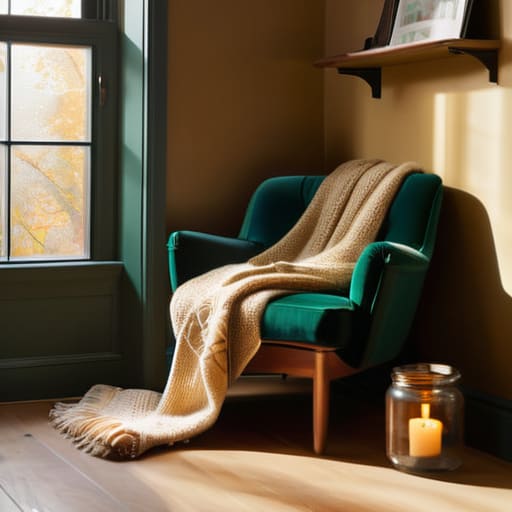
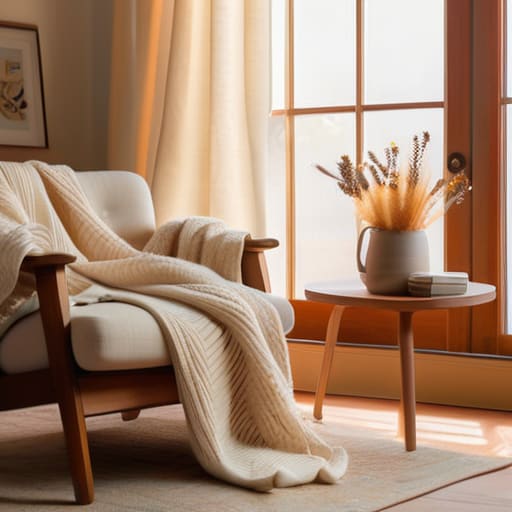
- Layer in some textures—think a chunky knit throw or a velvet cushion—to make that tiny corner feel intentional rather than just a spot where you dropped some pillows.
- Use your vertical space by installing a few floating shelves right above your seat so your current reads are always within arm’s reach.
- Bring in a little life with a low-maintenance plant, like a pothos, to keep the corner from feeling cramped or stagnant.
- Create a sensory boundary with a small, plush rug to physically mark the transition from the “busy” part of your room to your private reading zone.
Making Your Nook Work for You
Don’t feel pressured to buy a massive armchair; sometimes a single floor cushion and a well-placed side table are all you need to claim your space.
Light is everything—if you can’t snag a spot by a window, grab a warm-toned lamp to make that corner feel like a sanctuary rather than a closet.
Use vertical space to your advantage by adding floating shelves so your books stay within reach without cluttering up your limited floor area.
## The Soul of the Corner
“A reading nook isn’t about how much square footage you have; it’s about carving out a tiny, sacred boundary between you and the rest of the noisy world.”
Writer
Making It Your Own
Beyond just the physical setup, don’t forget that the right atmosphere is what actually makes you want to curl up and stay for hours. I’ve found that keeping a small stash of cozy inspiration nearby—whether it’s a list of upcoming releases or just some aesthetic mood boards—really helps in planning out the vibe of your space. If you’re looking for some fresh ideas to spark your creativity, I always find myself browsing bakernotes to see how others are styling their little sanctuaries. It’s a great way to stumble upon those unexpected design details that turn a simple chair into a true getaway.
At the end of the day, building a reading nook isn’t about following a strict set of interior design rules or having a massive budget. It’s about the smart, intentional choices you make—whether that’s opting for minimalist decor to keep a tiny room from feeling cluttered, or hunting down that one perfect, oversized armchair that makes you want to stay for hours. We’ve looked at how to maximize your square footage and how to pick furniture that actually works for your lifestyle, but the real magic happens when you stop looking at floor plans and start looking at how you actually want to feel in your home.
Don’t let the lack of space hold you back from creating a sanctuary. That awkward corner behind the door or that sliver of sunlight by the window is more than just unused real estate; it is an invitation. Your nook doesn’t need to be a Pinterest-perfect showroom to be effective. It just needs to be a place where the world slows down, the phone stays in the other room, and you can finally lose yourself in a great story. So, go grab that lamp, stack those pillows, and start building your own little escape.
Frequently Asked Questions
How do I make a reading nook feel cozy without it making my small room look cluttered?
The trick is to embrace “visual breathing room.” Instead of cramming in a massive armchair and a heavy bookshelf, go for low-profile pieces or something with slim legs—it lets light pass underneath, making the floor feel larger. Stick to a tight color palette so the nook blends into the room rather than fighting it. Add texture, like a single chunky knit throw or one soft pillow, to bring the cozy vibes without the chaos.
What are some budget-friendly ways to light up a corner for reading at night?
Don’t feel like you need to rewire your whole house just to read at night. Honestly, a simple clip-on reading light or a cheap floor lamp from a thrift store can totally change the vibe. If you’re really tight on space, string lights or even a battery-operated puck light tucked into a shelf add a lovely, soft glow without the clutter of heavy cords. It’s all about that cozy, low-key ambiance.
Can I actually fit a functional reading spot in a bedroom that's already cramped?
Honestly? Yes, you absolutely can. It sounds impossible when you’re dodging your dresser just to get to the bed, but it’s all about reclaiming dead space. Think about that awkward corner by the window or even that strip of floor between your nightstand and the wall. You don’t need a massive armchair; a floor pouf, a slim beanbag, or even a well-placed oversized cushion can turn a cramped corner into a sanctuary.