Ever walked into your kitchen, reached for a simple bag of pasta, and ended up in a full-blown wrestling match with a mountain of expired canned goods? I’ve been there, standing in front of my own chaotic small kitchen pantry, feeling like the space was actively working against me. Most “organization gurus” will tell you that you need to spend hundreds on matching glass jars and custom built-ins just to make things look pretty for Instagram, but honestly? That’s total nonsense. You don’t need a massive renovation or a designer budget to reclaim your sanity; you just need to stop fighting the physics of a tight space.
I’m not here to sell you on a lifestyle overhaul or a collection of overpriced plastic bins that will just end up cluttered in a week. Instead, I’m going to share the battle-tested strategies I actually use to keep my supplies visible, accessible, and—most importantly—functional. We’re going to focus on high-impact, low-cost hacks that prioritize real-life usability over aesthetic perfection. Let’s get into how you can finally master the chaos without losing your mind.
Table of Contents
Mastering Vertical Pantry Organization for Maximum Impact
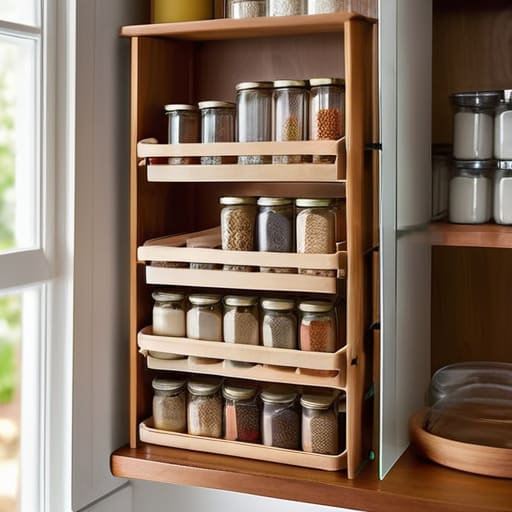
When you’re working with a cramped layout, the biggest mistake is treating your shelves like flat surfaces. Most people just stack boxes on top of each other, creating a precarious tower of snacks that inevitably collapses the moment you touch it. To truly win at vertical pantry organization, you have to start thinking about the “dead air” between your shelves. This is where the magic happens. By using tiered spice racks or expandable shelf risers, you can effectively double your usable surface area without adding a single inch to your footprint.
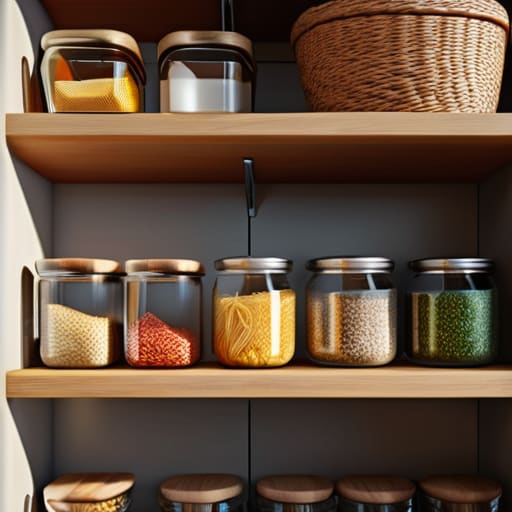
Another game-changer is investing in high-quality kitchen storage containers that are designed to stack. Instead of fighting with mismatched, half-empty bags of flour or pasta, uniform canisters allow you to build upward with confidence. If you’re dealing with deep, cavernous shelves, try using pull-out bins or even lazy Susans to ensure nothing gets lost in the dark abyss at the back. It’s all about creating layers of accessibility so that every single inch of your storage works as hard as you do.
Small Kitchen Decluttering Tips That Actually Work
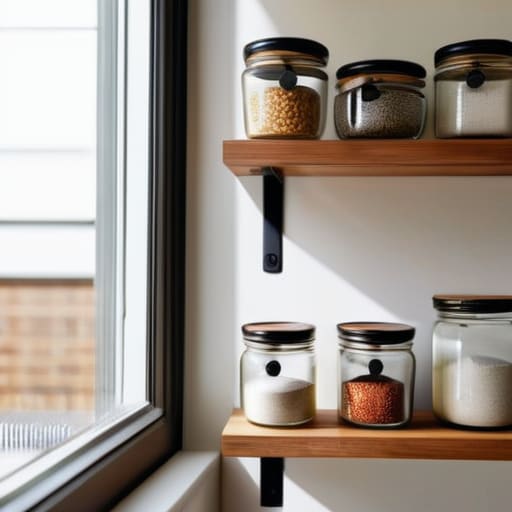
Let’s be real: decluttering isn’t just about tossing expired cans of beans; it’s about making a hard decision on what actually deserves a spot in your limited real estate. Before you even think about buying fancy new bins, you have to do the “purge.” Empty everything. If you haven’t touched that weird specialty spice or that half-empty bag of flour in six months, it’s time to let it go. You can’t organize your way out of having too much stuff, so focus on keeping only what you truly use on a weekly basis.
Once you’ve cleared the junk, it’s time to get tactical with your layout. This is where kitchen storage containers become your best friends. Instead of having mismatched boxes and bags taking up precious inches, decanting your staples into clear, uniform vessels creates instant visual calm and saves a surprising amount of room. If you find yourself struggling with items toppling over, grab some pantry shelf dividers to create “zones” for your snacks or baking supplies. It keeps everything upright and prevents that dreaded avalanche of pasta boxes every time you reach for a snack.
The Secret Weapons for Winning the Small Pantry War
- Ditch the bulky boxes. Decanting your staples—think pasta, flour, and snacks—into clear, stackable containers is a total game-changer for reclaiming lost inches.
- Grab some door-mounted organizers. That empty space on the back of your pantry door is prime real estate for spices, oils, or even those annoying snack packets.
- Use tiered “stadium seating” risers. Stop playing Tetris with your canned goods; a simple tiered shelf lets you see everything in the back without a massive excavation.
- Invest in lazy Susans. They are absolute lifesavers for those deep, dark corners where jars go to die; just spin it and find what you need instantly.
- Label everything (even if you think you’ll remember). When space is tight, knowing exactly where the quinoa ends and the lentils begin prevents that frantic mid-recipe searching.
The Cheat Sheet for a Stress-Free Pantry
Stop thinking horizontally—if you aren’t using your walls and the space above your shelves, you’re leaving half your pantry empty.
If you haven’t touched that jar of specialty spices in six months, it’s just taking up real estate; purge the extras to make room for what you actually eat.
Grouping “like with like” (think baking station in one spot, snack zone in another) is the only way to stop the endless scavenger hunt every time you cook.
## The Philosophy of the Tight Space
“A small pantry isn’t a limitation; it’s a filter. It forces you to stop hoarding the ‘maybe someday’ snacks and finally start curating the ingredients that actually make your kitchen feel like home.”
Writer
Making It Stick
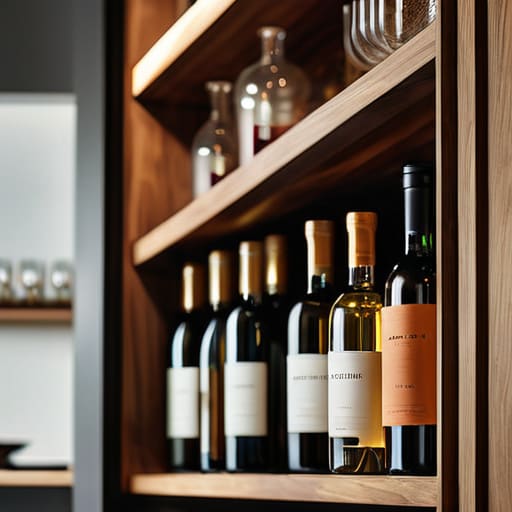
Once you’ve cleared out the expired cans and reclaimed your shelf space, it’s time to think about how you actually use that room. If you’re a fan of hosting or just love having a curated selection of drinks on hand, don’t let your pantry become a graveyard for half-empty boxes. I’ve found that keeping a dedicated, organized corner for your specialty bottles makes a huge difference in how the whole kitchen feels. For instance, if you’re looking to elevate your collection or find something truly unique to showcase, checking out battlewineestate is a total game changer for anyone who wants to move beyond the basic grocery store finds and start building a truly impressive pantry setup.
At the end of the day, tackling a small kitchen pantry isn’t about buying every aesthetic glass jar you see on Pinterest; it’s about creating a system that actually serves your daily life. We’ve looked at how to reclaim your floor space by mastering vertical storage, how to strip away the excess with honest decluttering, and how to keep things accessible without the constant chaos. When you combine these strategies, you aren’t just moving boxes around—you are building a functional foundation that makes cooking feel less like a chore and more like a breeze. Remember, the goal is sustainable order, not just a temporary photo op.
Don’t let the scale of the project intimidate you. You don’t have to overhaul the entire kitchen in a single weekend; just pick one shelf, one corner, or even one single bin to start with. Small wins lead to massive momentum, and before you know it, that cramped, stressful corner will be your favorite part of the kitchen. You have the tools and the vision to turn this tiny space into something truly extraordinary. Now, go grab a bin, clear out the expired stuff, and take back your kitchen!
Frequently Asked Questions
How do I keep my pantry from feeling like a cluttered mess when I'm constantly buying new groceries?
The secret is to stop treating your pantry like a storage unit and start treating it like a rotating inventory. Before you even step foot in the grocery store, do a quick “shelf scan.” If you’re buying more of what you already have, you’re just fueling the chaos. Try the “one-in, one-out” rule: don’t grab that new box of pasta until the current one is empty. It keeps the cycle from spiraling.
Are there specific types of containers that actually save space, or is it just a waste of money?
Look, I’ve fallen into the “aesthetic container” trap before, and honestly? Most of it is a waste of money. If you buy a bunch of matching glass jars just because they look cute on Instagram, you’re just paying for a hobby. But, if you go for stackable, airtight containers, that’s a game changer. They eliminate “dead air” and stop half-empty bags from creating a mountain of chaos. Buy for function, not for the vibe.
What's the best way to organize a pantry if I don't have any deep shelves to work with?
When your shelves are shallow, stop trying to stack things deep—you’ll just lose everything in the “pantry abyss” at the back. Instead, lean into tiered organizers or “stadium seating” risers so you can see every single jar in one glance. Clear, slim bins are your best friends here too; they act like little drawers you can pull out to reach the stuff tucked away. Think narrow, not deep.