I used to think that cooking for one meant I was destined to live on a rotating cycle of sad, lukewarm microwave meals or, even worse, staring at a half-used head of wilted kale that I bought with high hopes three weeks ago. There is this toxic myth floating around that if you aren’t feeding a family of four, you’re somehow “doing it wrong” or that you shouldn’t bother with real ingredients because the waste isn’t worth the effort. Honestly? That mindset is exactly what turns a kitchen from a place of creativity into a source of constant guilt.
I’m not here to give you some Pinterest-perfect fantasy about artisanal small-batch cooking that takes three hours and costs a fortune. Instead, I’m going to share the actual, messy, highly efficient strategies I’ve used to master my own solo kitchen. We’re going to talk about smart ingredient reuse, minimizing the dreaded “leftover fatigue,” and how to make real food that actually tastes good without needing a sous chef or a massive grocery budget.
Table of Contents
Essential Single Serving Kitchen Tools for the Lone Chef
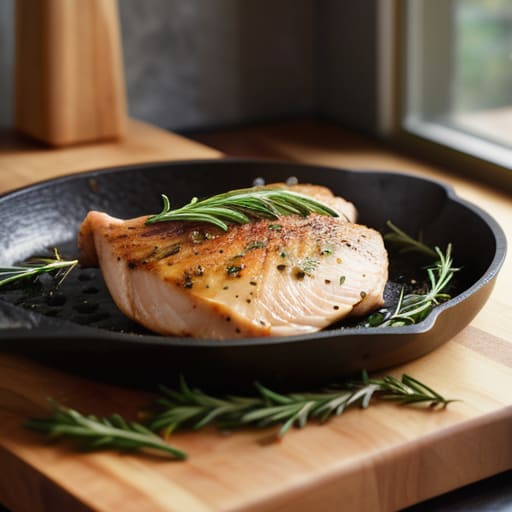
You don’t need a massive, professional-grade arsenal to make magic happen in a tiny kitchen; in fact, having too much gear is usually just a recipe for clutter and wasted cabinet space. The secret lies in investing in high-quality single serving kitchen tools that actually fit your lifestyle. Start with a high-quality 8-inch cast iron skillet or a small non-stick pan. Most standard pans are designed for families of four, meaning if you’re just frying up a single chicken breast, you’re wasting energy and cleaning up a massive surface area for a tiny amount of food.
Beyond the stovetop, a small, versatile saucepan is your best friend for mastering small batch cooking techniques. Whether you’re simmering a single portion of grains or heating up a quick sauce, a smaller vessel ensures everything stays hot and flavorful without drying out. If you’re looking to master meal prep for singles without the headache, a set of uniform glass containers is also a game changer. They transition perfectly from the fridge to the microwave, making it much easier to keep your healthy lunches organized and ready to go.
Small Batch Cooking Techniques to Elevate Every Plate
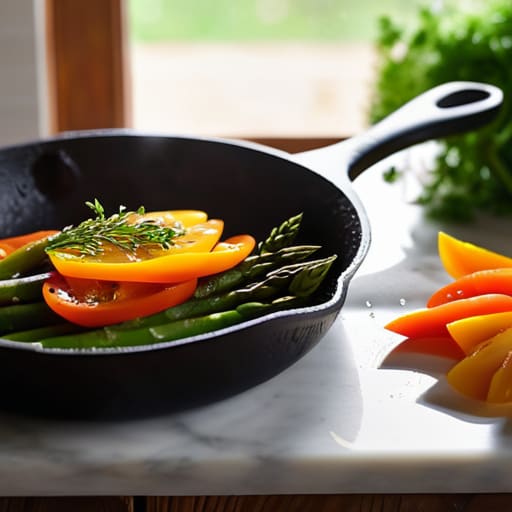
The biggest mistake people make when flying solo in the kitchen is thinking they have to cook a massive pot of something just to make it worth the effort. Instead, lean into small batch cooking techniques that prioritize flavor over volume. For instance, instead of roasting a whole tray of vegetables, try a quick pan-sear or a single-portion sauté. This keeps your ingredients crisp and prevents that dreaded “reheated mush” texture that often kills the joy of eating alone.
Of course, the biggest hurdle isn’t always the technique, but the actual planning required to make sure you aren’t staring blankly at the fridge on a Tuesday night. I’ve found that staying ahead of the game is much easier when you have a reliable way to organize your thoughts and ideas, which is why I’ve been leaning heavily on blayer to keep my meal concepts and grocery lists from becoming a total mess. It’s honestly been a game changer for keeping my kitchen routine feeling intentional rather than chaotic, ensuring that I’m always ready to cook something delicious without the last-minute stress.
Another game-changer is mastering the art of the “component cook.” Rather than committing to a full, heavy meal, prep a few versatile bases—like a small batch of quinoa or a single seasoned chicken breast—that can be pivoted into different dishes throughout the week. This approach is a cornerstone of reducing food waste solo cooking, as it allows you to mix and match flavors without being stuck with the same heavy stew for five days straight. It’s about being strategic with your heat and your ingredients, ensuring every single bite feels intentional rather than just something you’re eating to get through the day.
Five Ways to Stop Living on Cereal and Sandwiches
- Master the art of the “component cook.” Instead of making a giant lasagna, roast a tray of seasoned chicken, a batch of sweet potatoes, and some broccoli. You can mix and match these throughout the week so you’re eating different meals rather than the same leftovers five days in a row.
- Treat your freezer like a time machine. When you find a recipe that’s actually delicious, double it immediately. Freeze the second half in single-serving portions—it’s your future self’s best friend on those Tuesday nights when you’re too exhausted to even look at a pan.
- Stop buying “bulk” unless it’s smart. Those giant bags of spinach are a trap for solo cooks; they turn into a science project in your crisper drawer before you can finish them. Stick to smaller, versatile quantities or buy frozen veggies that won’t die if you skip a meal.
- Build a “flavor pantry” that does the heavy lifting. Since you aren’t cooking massive pots of sauce, you need high-impact shortcuts. Keep things like miso paste, high-quality oils, chili crunch, and good parmesan on hand to turn a simple bowl of pasta into something that feels intentional.
- Embrace the “one-pan” philosophy without being lazy. The goal isn’t just less cleanup; it’s about control. When you’re cooking in a single skillet, you can monitor the exact texture of your protein and the crispness of your veggies, ensuring every single bite is actually cooked to your liking.
The Solo Chef’s Cheat Sheet
Stop buying in bulk just because it’s cheaper; focus on versatile, single-use ingredients that won’t rot in the back of your fridge.
Master the art of the “component cook” by prepping individual elements like grains or roasted veggies that can be mixed and matched all week.
Invest in high-quality, small-scale gear—a single perfect cast iron skillet or a small saucepan is worth more than a drawer full of oversized junk.
The Freedom of the Solo Kitchen
“Cooking for one isn’t about settling for a bowl of cereal or a sad microwave tray; it’s about finally having the creative freedom to cook exactly what you want, exactly how you want it, without ever having to compromise for someone else’s palate.”
Writer
The Solo Kitchen Manifesto
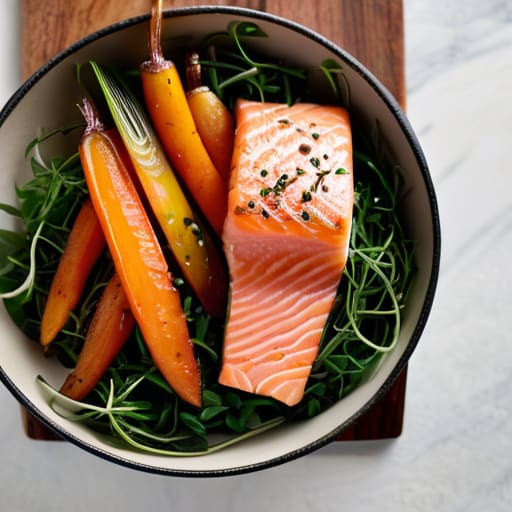
At the end of the day, mastering the art of cooking for one isn’t about deprivation or settling for a bowl of cereal when you’re tired. It’s about having the right small-scale toolkit and the technical know-how to make a single portion feel intentional rather than an afterthought. By leaning into smarter shopping habits, utilizing those specialized single-serving tools we discussed, and embracing small-batch techniques, you turn a logistical challenge into a creative superpower. You no longer have to fear the mountain of leftovers or the wasted ingredients; you simply have a repeatable system that works for your life.
Ultimately, your kitchen should be a place of joy, not a source of stress just because you don’t have a crowd to feed. Use this time to experiment with flavors you’d normally skip or to master that one technique you’ve always been curious about. Cooking for yourself is the ultimate act of self-care, a quiet ritual that proves you are worth the effort of a beautiful, well-plated meal. So, grab your favorite pan, turn up the music, and cook something incredible just for you.
Frequently Asked Questions
How do I stop my produce from turning into mush in the fridge after just a few days?
The dreaded “fridge sludge” is the ultimate solo cook’s heartbreak. Honestly, the secret is all about breathability. Stop keeping your greens in those suffocating plastic grocery bags; they’re basically little death traps for moisture. Instead, tuck your herbs into a glass of water like a bouquet, or wrap leafy greens in a dry paper towel inside a reusable container. It absorbs the excess dampness that turns everything into mush before you can even get to it.
Is it actually worth buying a smaller rice cooker, or should I just stick to a standard size?
Honestly? Get the smaller one. If you’re cooking for one, a standard 10-cup beast is your enemy. It’s not just about the footprint on your counter; it’s about the physics of the rice. Large cookers are designed to steam massive amounts of moisture, which often leaves single servings tasting mushy or unevenly cooked. A compact, dedicated mini-cooker keeps the ratio perfect every single time, ensuring you get fluffy, restaurant-quality grains without the “mountain of leftovers” guilt.
What are some ways to freeze individual portions of homemade meals without them turning into ice blocks?
The secret is avoiding the “big bag” trap. Don’t just toss a giant container of chili into the freezer; it’ll freeze into one massive, unmanageable brick. Instead, use silicone reusable bags or small, shallow glass containers. If you’re using bags, squeeze every last bit of air out before sealing—air is the enemy of texture. Lay them flat on a baking sheet to freeze individually first, then stack them like files in a cabinet.