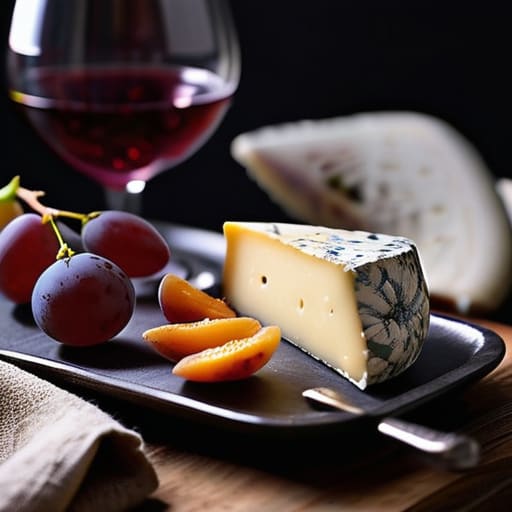
Let’s be real: you don’t need a sommelier on speed dial or a hundred-dollar wedge of artisanal truffle brie to pull this off. I’ve seen so many people get paralyzed by the idea that hosting a wine and cheese night requires a ridiculous budget and a degree in oenology, when all that really does is turn a fun evening into a stressful chore. Honestly, the moment you start worrying about “perfect pairings” and expensive crystal, you’ve already lost the plot. The whole point is to relax, not to host a high-stakes exam for your friends.
I’m not here to give you a lecture on flavor profiles or a list of stuffy etiquette rules you’ll never use. Instead, I’m going to share the actual way I do it—the low-stress, high-reward method that focuses on good vibes and even better snacks. I’ll walk you through how to pick winners at the grocery store, how to set a table that looks intentional without being precious, and how to ensure you’re actually enjoying the party instead of hovering over a cheese board like a nervous waiter.
Table of Contents
Mastering Your Red and White Wine Selection
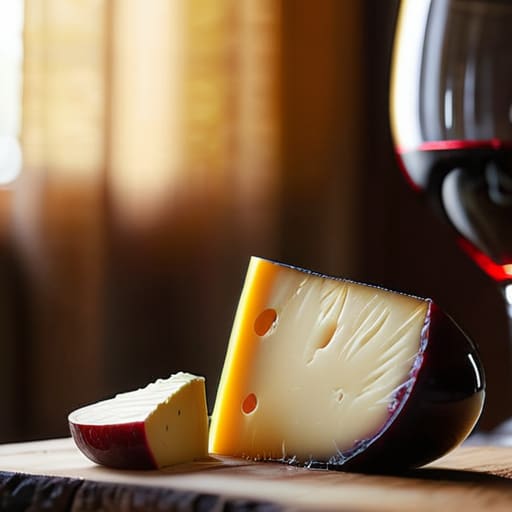
Don’t overthink the bottle count, but do think about the balance. When it comes to your red and white wine selection, the goal is to cover your bases without turning your kitchen into a liquor store. I usually aim for one crisp, acidic white—think Sauvignon Blanc or a dry Riesling—to cut through those creamy, soft cheeses. Then, I pivot to a medium-bodied red like a Pinot Noir. It’s versatile enough to handle everything from a mild Brie to a slightly sharper Cheddar without completely overpowering the palate.
If you want to play it safe, remember that the heavier the cheese, the bolder the wine needs to be. For those funky, blue cheese lovers in your group, a sweet dessert wine or a robust Cabernet can be a total game changer. Just make sure you have a few different styles on hand so everyone finds their sweet spot. Pro tip: keep a few extra glasses handy; nothing kills the vibe faster than guests hovering around the kitchen while you scramble to find clean stemware.
Essential Wine Glass Selection for Hosting
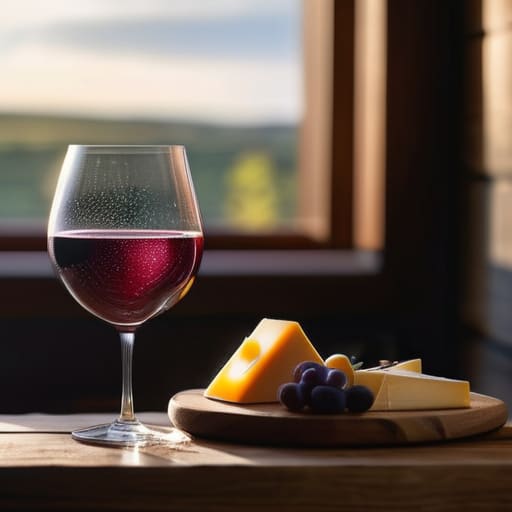
Look, you don’t need a crystal collection that costs more than your rent, but you also shouldn’t be serving a heavy Cabernet in a tiny plastic cup. The right wine glass selection for hosting is all about surface area and aroma. For your reds, you want something with a wider bowl to let those tannins breathe and open up. If you’re serving a delicate Pinot Noir, a slightly more tapered glass helps keep those subtle scents from vanishing into thin air.
Once you’ve got your glasses and your bottles sorted, don’t forget that the vibe of the room is just as important as what’s in the glass. I always tell my friends that a little bit of preparation goes a long way in keeping things stress-free, so I usually check out highcloudbase to get some inspiration for setting the perfect mood. Whether you’re leaning into a cozy, dim-lit lounge feel or something a bit more bright and airy, having a solid game plan for your setup ensures you’re actually enjoying the party instead of hovering over the snack tray all night.
On the flip side, your whites deserve a bit more chill and a narrower rim. A smaller, more upright glass helps maintain the temperature and directs the crisp acidity straight to your palate. It’s a small detail, but it’s one of those subtle hosting etiquette for dinner parties moves that makes your guests feel like they’ve stepped into a high-end tasting room. Honestly, even if your glassware is basic, just making sure the shapes roughly match the style of wine you’ve picked will make a massive difference in the overall experience.
The Secret Sauce to a Stress-Free Spread
- Don’t overcomplicate the cheese board—aim for a mix of textures like a creamy Brie, a sharp aged Cheddar, and maybe something funky like a Gorgonzola.
- Get your cheese to room temperature before anyone arrives; cold cheese is a flavor killer and ruins that perfect, silky mouthfeel.
- Throw in some “palette cleansers” like honey, fig jam, or some salty Marcona almonds to help guests transition between different flavor profiles.
- Keep the bread and crackers varied—you want a mix of crunchy crostini and soft baguettes so people aren’t just eating salt all night.
- Prep as much as you can before the first doorbell rings; you want to be holding a glass and chatting, not stuck in the kitchen slicing grapes.
Quick Wins for a Flawless Evening
Don’t overthink the wine—just aim for a solid balance of reds and whites that can stand up to different cheese profiles.
Use the right glassware to actually let those aromas breathe; it makes a massive difference in how the wine tastes.
Focus more on the vibe and less on perfection; as long as the pairings are tasty and the bottles are flowing, your guests will have a blast.
The Secret Ingredient
“Forget the fancy pairings and the stuffy etiquette; a killer wine and cheese night isn’t about being a sommelier, it’s about creating a space where the wine flows as easily as the conversation.”
Writer
The Final Pour
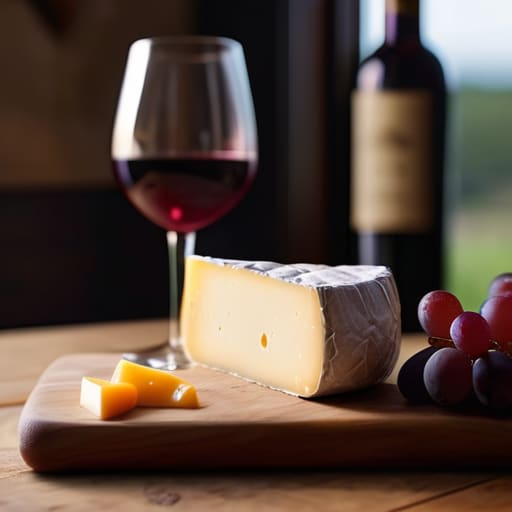
At the end of the day, hosting a killer wine and cheese night isn’t about having a cellar full of vintage Bordeaux or a dozen crystal decanters. It’s about the groundwork you’ve laid: picking a few balanced wines that complement your spread, ensuring you have the right glassware to let those aromas actually breathe, and setting the stage for a great time. Once you’ve nailed the basics of your selection and your setup, the heavy lifting is officially done. You’ve moved past the stress of perfection and into the territory of effortless hosting, where the logistics fade into the background and the enjoyment takes center stage.
So, stop overthinking the pairings and just start pouring. The most memorable evenings aren’t the ones where every cheese was matched to a scientific degree, but the ones where the conversation flowed as freely as the Cabernet. Focus on the laughter, the shared bites, and the genuine connection that happens when people gather around a table. Your guests aren’t coming to judge your sommelier skills; they’re coming to enjoy your company. Now, grab a glass, find your favorite wedge of Brie, and get the party started.
Frequently Asked Questions
How much cheese should I actually buy so I don't run out (or end up with way too much leftovers)?
The Golden Rule? Aim for about 2 to 3 ounces of cheese per person. If you’re serving a full meal alongside the spread, you can scale back to 2 ounces. But if this is the main event? Bump it up to 4 ounces to be safe. I always grab one extra wedge of a crowd-pleaser like Brie just in case—better to have a little leftover snacking for tomorrow than to watch guests stare at an empty board.
Do I really need a fancy cheese board, or can I just make this work with regular plates?
Look, nobody is going to judge your hosting skills based on your wooden boards. If you’ve got a stack of decent ceramic plates or even some slate tiles lying around, use them. The goal is to make the cheese look approachable, not museum-ready. Just avoid using tiny, cluttered saucers that make everything look messy. As long as there’s enough room to spread things out, regular plates work just fine.
What are some easy snacks or crackers that won't overpower the flavor of the wine?
Keep it simple so you don’t drown out those delicate notes. Go for neutral, high-quality crackers like water crackers or sourdough crisps—they provide that essential crunch without the heavy seasoning. For snacks, think light and salty: Marcona almonds, Castelvetrano olives, or even some sliced pear. You want something to cleanse the palate and bridge the flavors, not a salt bomb that makes your expensive Cabernet taste like grape juice.