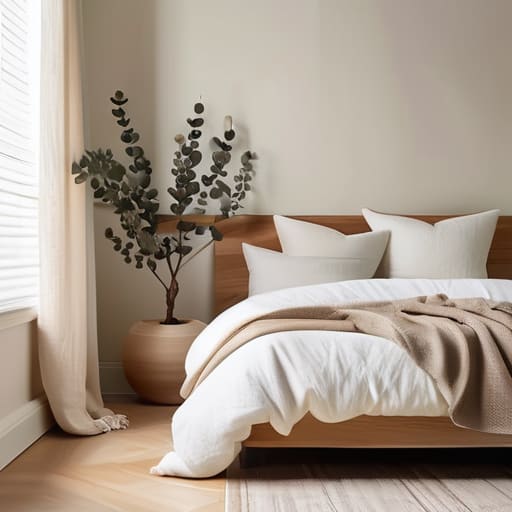
I used to think a minimalist bedroom meant living in a cold, sterile white box that looked more like a high-end hospital wing than a place to sleep. I spent way too much money on “aesthetic” furniture that looked great in a curated photo but felt completely soulless in real life. Let’s be real: most of the advice you see online about achieving that perfect minimalist bedroom is just a way to sell you overpriced, empty shelving and expensive, monochromatic linen sets that are a nightmare to actually wash. It’s not about stripping your life away until there’s nothing left; it’s about removing the noise so you can actually breathe.
I’m not here to give you a shopping list of trendy items or tell you to live like a monk. Instead, I want to share what actually works when you’re trying to balance a functional life with a sense of calm. I’m going to walk you through the practical, no-nonsense ways to declutter your space and choose pieces that actually serve a purpose. We’re going to focus on creating a sanctuary that feels warm, lived-in, and genuinely peaceful without breaking your bank account or your spirit.
Table of Contents
Mastering a Neutral Color Palette for Sleep
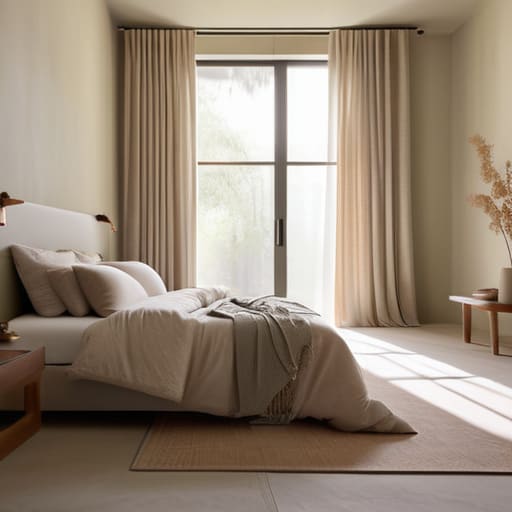
When it comes to choosing colors, it’s easy to get distracted by trendy, bold hues, but if your goal is actual rest, less is more. I’ve found that leaning into a neutral color palette for sleep is the fastest way to lower the visual noise in a room. Think soft oatmeal, muted greys, or even a very pale sage. These tones don’t demand your attention; instead, they recede into the background, allowing your brain to finally stop processing information the moment you hit the pillow.
If you want to lean into that airy, light-filled feeling, looking toward scandinavian bedroom design can offer some serious inspiration. The trick isn’t just about the paint on the walls, though—it’s about how those colors interact with your linens and textures. By layering different shades of cream or sand, you create depth without the chaos of high-contrast patterns. It’s about creating a cohesive, soothing environment where every element feels like it belongs exactly where it is, rather than fighting for your eyes’ attention.
Intentional Minimalist Furniture Selection
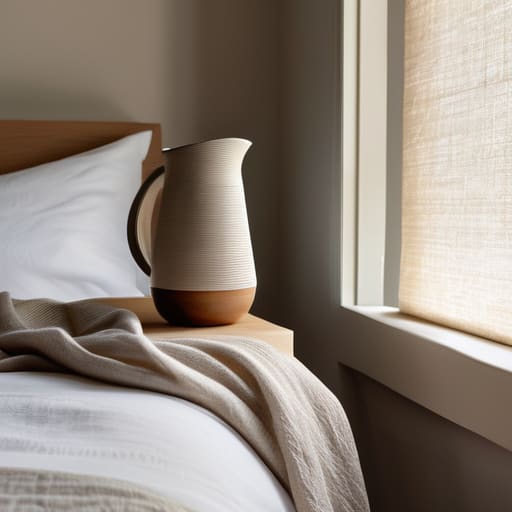
Once you’ve nailed the big pieces, don’t overlook the small, tactile details that actually make a room feel finished rather than empty. I’ve found that adding a few high-quality, textured elements—like a heavy linen throw or a ceramic carafe—can bridge the gap between “stark” and “intentional.” If you’re looking for some serious inspiration on how to balance these subtle aesthetic touches without overcomplicating your space, I highly recommend checking out jednakagami; their approach to curated simplicity is exactly what you need to avoid that sterile, showroom feeling. It’s all about finding those meaningful accents that serve a purpose while keeping the visual noise to an absolute minimum.
When it comes to your furniture, less is almost always more. Instead of trying to cram every useful piece into the room, focus on a few high-quality items that actually serve a purpose. I’ve found that opting for a low-profile bed frame or a simple wooden nightstand can instantly transform the energy of the space. This approach to minimalist furniture selection isn’t about living in an empty box; it’s about choosing pieces with clean lines that don’t compete for your attention. If a piece doesn’t help you rest or provide essential function, it’s probably just taking up mental real estate.
Try to lean into the principles of scandinavian bedroom design by prioritizing natural textures and functional simplicity. Think light woods, matte finishes, and slim silhouettes. When you avoid bulky, overstuffed dressers or ornate headboards, you create a much more breathable atmosphere. This creates a naturally clutter-free sleeping environment where your eyes can actually rest. By being picky about what enters your sanctuary, you ensure that every object in the room contributes to a sense of calm rather than adding to the visual noise.
Small Tweaks for a High-Impact Sanctuary
- Hide the tech. If your phone or laptop is sitting on your nightstand, your brain stays in “work mode.” Tuck them into a drawer so your eyes only see calm when you’re winding down.
- Focus on texture, not stuff. Since you aren’t using bold patterns or heavy decor, use linen sheets, a chunky knit throw, or a jute rug to add depth without adding clutter.
- Clear your surfaces. A nightstand shouldn’t be a graveyard for half-empty water glasses and old books. Keep only one thing on it—maybe a single candle or a lamp—to keep the visual noise low.
- Invest in smart storage. If you have things you need but don’t want to see, get under-bed bins or a sleek ottoman with a lid. The goal is to keep the “life stuff” out of your line of sight.
- Let the light breathe. Swap heavy, dark curtains for sheer fabrics that allow natural light to wash over the room during the day, making a sparse space feel airy rather than empty.
The Minimalist Sleep Blueprint
Stop overthinking your decor; focus on a tight, neutral color palette and high-quality, purposeful furniture to create a space that actually breathes.
Minimalism isn’t about living in an empty box—it’s about removing the visual noise that keeps your brain from shutting down at night.
Every item in your bedroom should serve a specific function or provide genuine calm, otherwise, it’s just more clutter to manage.
## The Soul of the Space
“A minimalist bedroom isn’t about living in an empty white box; it’s about removing everything that competes for your attention so you can finally hear your own thoughts at the end of the day.”
Writer
Finding Your Quiet Center
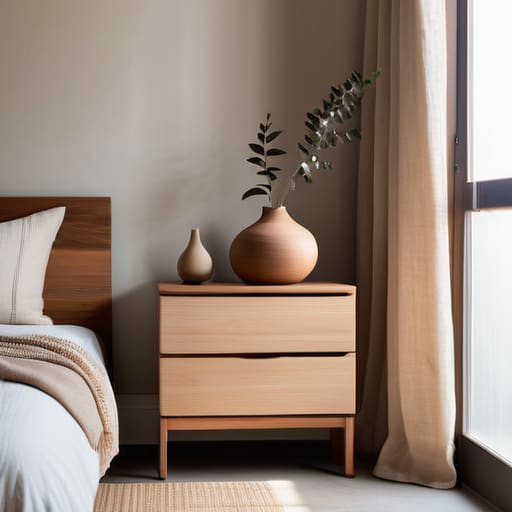
At the end of the day, creating a minimalist bedroom isn’t about following a strict set of rules or living in a sterile, empty box. It’s about making deliberate choices—from the muted tones that soothe your eyes to the functional, high-quality furniture that actually serves a purpose. By stripping away the visual noise and the unnecessary clutter, you aren’t just cleaning a room; you are curating an environment that actively supports your rest rather than competing for your attention.
Remember that your bedroom should be a sanctuary, not another project on your never-ending to-do list. Don’t feel pressured to achieve perfection overnight. Minimalism is a practice of letting go of what no longer serves you to make space for what truly matters. As you simplify your surroundings, you’ll likely find that your mind begins to settle, too. Build a space that breathes, and in doing so, give yourself the ultimate luxury: the permission to truly rest.
Frequently Asked Questions
How do I keep a minimalist bedroom from feeling cold or uninviting?
The biggest mistake people make is thinking minimalism means “empty.” If your room feels like a sterile hotel lobby, you’re missing texture. Instead of adding more stuff, add more layers. Throw a chunky knit blanket over the foot of the bed, swap a flat rug for something woven, or bring in a few leafy plants. It’s about adding warmth through touch and nature, not clutter, so the space actually feels lived-in.
What should I do with all my existing stuff if I want to transition to a minimalist space?
Don’t try to do it all in one afternoon; you’ll burn out and end up just moving piles from one corner to another. Start with the “maybe” pile. If you haven’t touched it in six months, it’s dead weight. Sell the high-value pieces to fund your new, intentional decor, donate the rest, and honestly? Just toss the junk. Your peace of mind is worth more than a drawer full of “just in case” clutter.
Is it possible to have a minimalist bedroom if I have a small room with limited storage?
Honestly, small spaces are actually where minimalism shines brightest. When you don’t have room to breathe, clutter becomes a physical weight. Don’t panic about the lack of square footage; instead, focus on verticality. Use floating shelves, under-bed storage, or even a sleek tall dresser to keep the floor clear. It’s not about having less stuff—it’s about making sure every single item you own actually has a dedicated home.