I used to think that “ergonomic office tools” were just another way for big corporations to upsell us on overpriced, sleek-looking plastic that promised heaven but delivered nothing but a lighter wallet. I spent years convinced that if I just bought that $1,200 designer chair or that fancy split keyboard, my chronic wrist pain would magically vanish. It was a total lie. Most of the “wellness” gear on the market is nothing more than expensive marketing fluff designed to make you feel like a productivity guru while you’re actually just sitting in a glorified sculpture.
Beyond just fixing your monitor height, you really need to keep an eye on how your wrists are actually sitting while you type. If you find yourself constantly hovering or feeling that familiar dull ache in your forearms, it might be worth looking into some specialized support. I’ve found that checking out the setups on caltrf can be a total game-changer for finding gear that actually fits your specific desk layout, rather than just guessing what might work. It’s one of those small adjustments that makes a massive difference in how you feel by 5:00 PM.
Table of Contents
Look, I’m not here to sell you on a lifestyle or push some high-end gadget that looks good on Instagram but feels like trash in real life. I’ve spent way too many hours in the trenches—dealing with the actual aches, the stiffness, and the mental fog—to give you anything less than the truth. I’m going to break down which ergonomic office tools actually move the needle and which ones are a complete waste of your hard-earned cash. This is about real-world relief, not chasing the latest office trends.
Mastering Your Workstation Setup for Posture

Setting up your desk isn’t just about aesthetics; it’s about survival if you’re spending eight hours a day in a chair. Most of us default to a “shrimp” posture—shoulders hunched, chin poking toward the monitor—without even realizing it. To fix this, you need to focus on a proper workstation setup for posture that aligns your body’s natural curves. Start with your monitor height; the top third of your screen should be at eye level so you aren’t constantly looking down. This simple adjustment is the most effective way of reducing neck strain at work before it turns into a chronic headache.
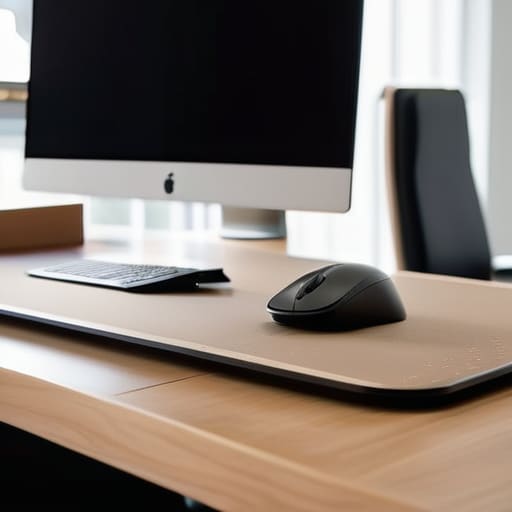
Once your eyes are level, look at your arms. Your elbows should rest at a 90-degree angle, hovering just above your lap, which prevents that dreaded tension in your upper traps. If you find yourself reaching too far for your mouse or keyboard, you’re asking for trouble. Integrating a few smart ergonomic desk accessories, like a split keyboard or a vertical mouse, can make a massive difference in preventing repetitive strain injury by keeping your wrists in a neutral, relaxed position.
The Secret to Reducing Neck Strain at Work
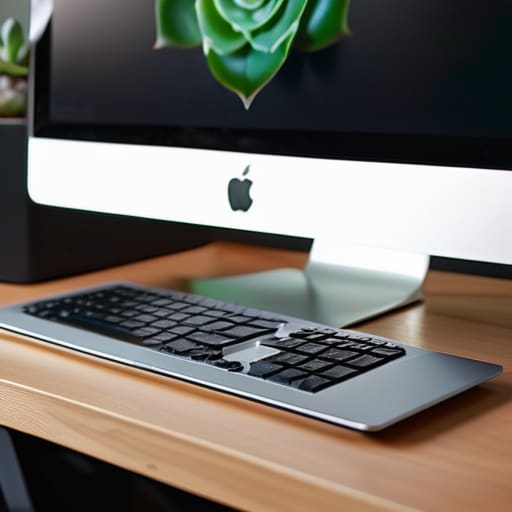
If you’ve ever finished a long afternoon feeling like your head is being pulled forward by an invisible weight, you aren’t alone. Most of us fall into the “tech neck” trap, hunching over a laptop screen that sits far too low. This constant downward tilt puts an incredible amount of pressure on your cervical spine, making reducing neck strain at work feel like an uphill battle. The fix isn’t just about “sitting up straight”—it’s about bringing the world up to your eye level.
Investing in a decent monitor riser or even a stack of sturdy books can be a total game-changer. When your eyes are aligned with the top third of your screen, your neck naturally relaxes into a neutral position. This small tweak to your workstation setup for posture does more than just stop the aches; it actually helps in preventing repetitive strain injury by breaking that cycle of tension. Don’t wait until you’re reaching for the ibuprofen to realize your screen height is the culprit.
The Gear That Actually Saves Your Body
- Ditch the standard mouse for a vertical one; it keeps your wrist in a natural “handshake” position so you aren’t constantly twisting your forearm.
- Invest in a footrest if your feet don’t sit flat on the floor, because dangling legs are a one-way ticket to lower back pain.
- Swap that flat keyboard for a split or mechanical one to stop your wrists from cocking at awkward, painful angles all day.
- Get a monitor arm to lift your screen to eye level, because hunching over a laptop is a recipe for a permanent “tech neck.”
- Grab a high-quality lumbar support cushion if your chair is lacking, as that extra bit of pressure in the right spot keeps your spine from collapsing into a slouch.
The Bottom Line: Small Changes, Big Relief
Stop ignoring the aches; your setup is likely the culprit, so start prioritizing gear that actually supports your natural posture.
Focus on your neck and eye level first—if you’re constantly hunching to see your screen, no amount of fancy chairs will save you.
Think of ergonomic tools as an investment in your future self, not just another office expense to avoid.
## The Hard Truth About Your Desk
“An ergonomic chair isn’t some luxury splurge for the office elite; it’s the difference between finishing your workday feeling energized and finishing it feeling like you’ve been in a wrestling match with your own desk.”
Writer
Stop Settling for Physical Discomfort
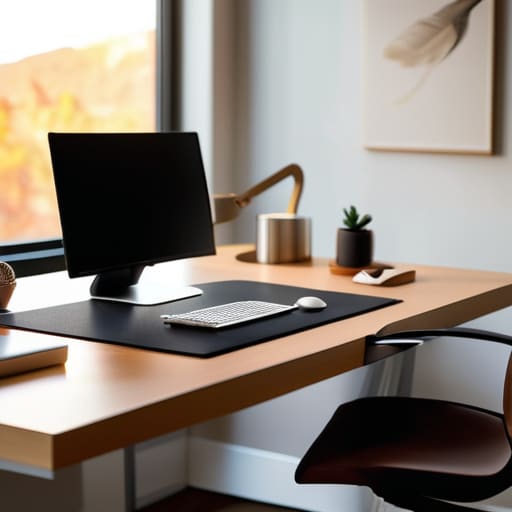
At the end of the day, fixing your workspace isn’t about buying every shiny new gadget on the market; it’s about making intentional choices that respect your body. We’ve looked at how a proper chair setup can save your lower back, how the right monitor height can silently end those tension headaches, and why your peripherals actually matter. It’s easy to ignore a little stiffness for a few hours, but those tiny aches are usually just your body’s way of telling you that your current setup is failing you. Investing in a few strategic ergonomic tools is much cheaper—and much less painful—than dealing with chronic injury down the road.
Remember, your career is a marathon, not a sprint, and you can’t finish the race if you’re sidelined by preventable pain. You deserve to finish your workday feeling energized rather than completely drained by physical strain. Don’t wait until you’re forced to take a week off because your neck won’t turn or your wrists are throbbing. Take one small step today—maybe it’s adjusting your screen or finally ordering that wrist rest—and start prioritizing your physical longevity. Your future self will definitely thank you for it.
Frequently Asked Questions
How do I know if my current chair is actually helping or just giving me a false sense of security?
Here’s the litmus test: pay attention to how you feel the moment you stand up. If you’re hobbling toward the kitchen or feeling a dull ache in your lower back after an hour, that chair is lying to you. A good chair should make you forget you’re sitting at all. If you’re constantly fidgeting, shifting your weight, or subconsciously trying to “fix” your posture, your seat isn’t supporting you—it’s just a decorative prop.
Is it worth dropping hundreds on a fancy ergonomic mouse, or can I just fix my posture instead?
Look, if your posture is a disaster, a $150 mouse is just a band-aid on a broken leg. You can’t out-gear a hunched spine. Fix your desk height and monitor level first—that’s free. But, if your setup is solid and your wrist still feels like it’s screaming by 3 PM, that’s when the investment makes sense. It’s not about luxury; it’s about stopping the repetitive strain before it becomes a permanent problem.
Can I actually fix my workspace setup if I'm stuck working from a tiny kitchen table or a cramped corner?
Look, I get it. Not everyone has a dedicated home office with a mahogany desk. If you’re stuck at a cramped kitchen table, you have to get creative. Start with a laptop riser—or even a stack of sturdy books—to get that screen to eye level. Grab a firm cushion for your chair to fix your posture, and maybe an external keyboard so your shoulders can finally drop. It’s about hacking your space, not having a perfect one.