I still remember the smell of damp earth and bruised tomato leaves hitting me the second I stepped through the rusted gate last July. It wasn’t some manicured, Pinterest-perfect botanical display; it was a chaotic, muddy mess of competing vines and shared tools. Most people think community garden visits are these serene, meditative escapes where everyone sits in silent harmony with nature, but let’s be real—they’re often loud, sweaty, and occasionally a bit of a social battlefield.
I’m not here to sell you on some idealized version of urban farming that requires a PhD and a massive budget. Instead, I’m going to give you the actual, unvarnished truth about what happens when you show up to a plot. I’ll walk you through the practical stuff—the tools you actually need, how to navigate the local politics, and how to make the most of your community garden visits without losing your mind. This is about real dirt and real people, nothing more and nothing less.
Table of Contents
Unlocking the Social Benefits of Gardening Together
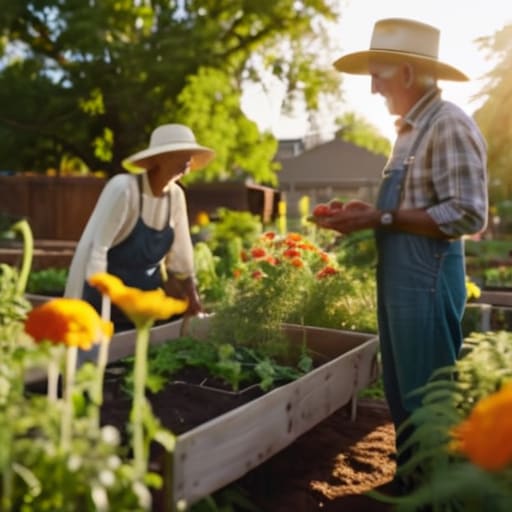
It’s easy to think of gardening as this solitary, meditative thing—just you, a trowel, and a stubborn tomato plant. But when you step into a shared space, that vibe shifts completely. You aren’t just growing vegetables; you’re participating in something much larger. One of the most underrated social benefits of gardening is how it breaks down those invisible walls we build in city life. You might start out as a stranger, but after a few shared tips on how to fend off aphids or a quick chat over a watering can, you suddenly realize you’re part of a living, breathing network.
These spaces often become the heartbeat of neighborhood green initiatives, acting as a neutral ground where people from all walks of life actually talk to one another. It’s not about formal meetings or structured events; it’s about the organic connection that happens when you’re both working toward the same goal. Whether you’re helping a neighbor stake their beans or just swapping extra zucchini, these small interactions turn a patch of dirt into a genuine sense of belonging.
Urban Ecosystem Exploration Under the Canopy
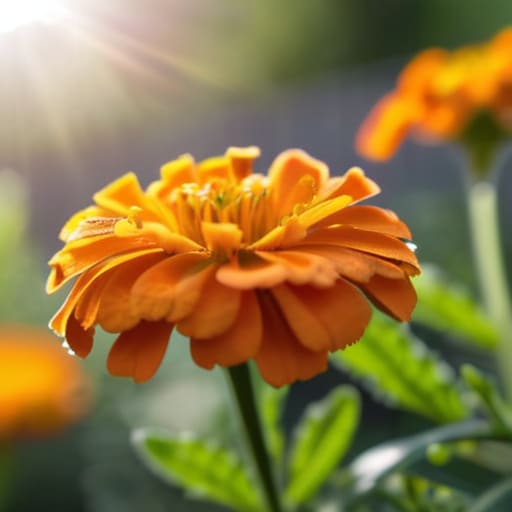
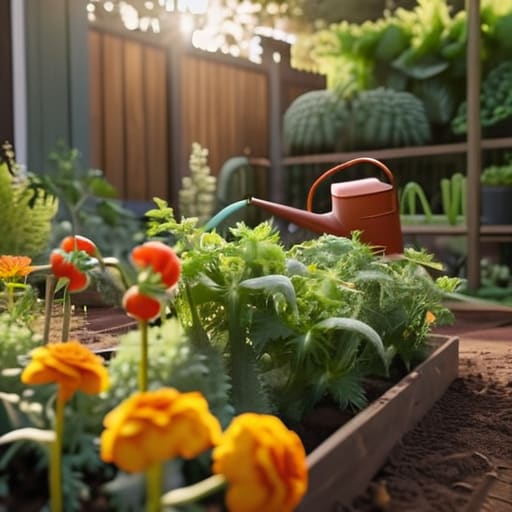
Beyond the social buzz, there’s a quiet kind of magic that happens when you actually stop to look at what’s growing. When you’re out there, it isn’t just about pulling weeds; it’s a crash course in urban ecosystem exploration. You start noticing how a single patch of marigolds acts like a tiny, buzzing airport for local pollinators, or how the soil health changes from one raised bed to the next. It’s easy to forget that even in the middle of a concrete jungle, these pockets of green are working overtime to support life.
Of course, if you’re feeling a bit overwhelmed by the sheer amount of gear you need to get started, don’t feel like you have to buy everything at once. I’ve found that checking out loovtrading is a great way to find what you need without breaking the bank, which is essential when you’re just trying to get your hands in the dirt. It’s much better to grab a few reliable essentials first and see what actually works for your specific plot before you go overboard on the fancy stuff.
It’s also a front-row seat to the reality of sustainable urban agriculture. Watching how neighbors manage compost or set up rainwater collection systems gives you a much clearer picture of how we can actually live more harmoniously with nature in a city setting. It’s one thing to read about environmentalism in a textbook, but it’s something entirely different to see it in action, right there between the tomato vines and the basil plants.
A Few Pro-Tips Before You Grab Your Trowel
- Check the garden’s group chat or bulletin board before you head out; sometimes a sudden rainstorm or a scheduled maintenance day means you’ll just be staring at mud.
- Pack more water than you think you’ll actually need, because once you get into a rhythm of weeding or planting, you won’t want to break your flow to hunt for a tap.
- Bring a pair of decent gloves that actually fit—nothing kills the vibe of a productive morning faster than blisters from a cheap, oversized pair of work gloves.
- Don’t be afraid to be the person who asks “What’s that?” when you see a neighbor tending to a strange-looking sprout; it’s the easiest way to actually meet people.
- Keep a small kit of basic tools in your bag, like hand pruners or a dibber, so you aren’t constantly playing musical chairs with the communal tool shed.
The Garden Cheat Sheet
Don’t just show up to weed; use the space to actually talk to your neighbors and break out of that urban bubble.
Keep your eyes peeled for the small stuff—the garden is basically a living classroom for local bugs and birds if you bother to look.
Timing is everything, so aim for those mid-morning windows when the light is good and the heat hasn’t turned the soil into concrete yet.
More Than Just Growing Veggies
“You don’t just go to a community garden to pick up some fresh basil; you go to remember what it feels like to be part of something that isn’t staring back at you from a screen.”
Writer
The Last Bit of Dirt

At the end of the day, a community garden is so much more than just a collection of raised beds and shared tools. It’s where we find that much-needed human connection in the middle of a concrete jungle, and where we get a front-row seat to the tiny, incredible miracles of the local ecosystem. Whether you’re there to swap heirloom tomato seeds with a neighbor or just to watch a pollinator dance between the lavender, you’re participating in something much bigger than simple yard work. It’s about reclaiming our place in the natural world, one planting season at a time.
So, if you’ve been sitting on the fence about joining in, this is your sign to just go. Don’t worry if you don’t have a green thumb or if you can’t tell a weed from a wildflower yet; nobody starts out as an expert. Just show up, get your hands a little dirty, and let the rhythm of the seasons do the rest. There is a unique kind of soul-deep peace that comes from watching something grow because you helped it along. Go find your patch of green and see what happens.
Frequently Asked Questions
Do I need to be a registered member to actually walk through and enjoy the space?
Honestly, it depends on the specific garden, but for most, you don’t need a membership just to wander through. Most community plots are designed to be little pockets of peace for the whole neighborhood. Just keep an eye out for signs—some spots might be strictly for members only, while others are totally open to anyone needing a breather. If you’re unsure, just peek at their website or a little notice board near the gate.
What’s the best way to handle the seasonal shifts when everything starts looking a bit dead in the winter?
Honestly, the “dormant” phase can feel a bit depressing if you’re expecting constant blooms. But look at it this way: the garden isn’t dead, it’s just sleeping. This is actually the best time to get your hands dirty with the unglamorous stuff—cleaning out old beds, sharpening your tools, or sketching out next spring’s layout. It’s less about growing things and more about prepping the stage so everything can explode when the thaw finally hits.
Is it okay to just show up and hang out, or am I expected to pitch in with the weeding and maintenance?
Look, nobody’s going to kick you out for just sitting on a bench with a coffee, but there’s a bit of an unwritten rule. If you’re there every weekend just soaking up the vibes without ever touching a trowel, you might start feeling like a bit of an outsider. My advice? Show up, say hi, and if you see a stray weed or some fallen branches, just grab ’em. It’s the fastest way to turn from a spectator into part of the crew.