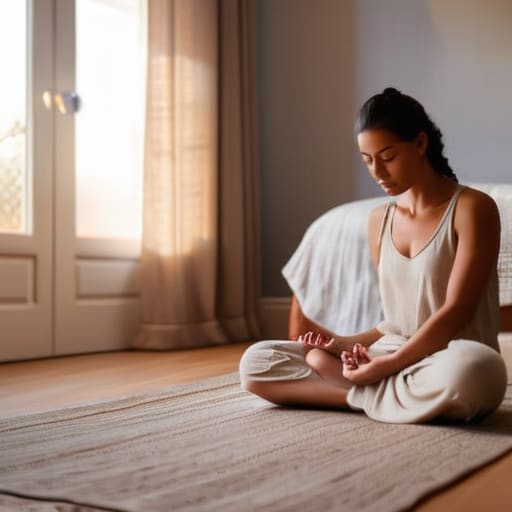
I used to think that “winding down” meant buying a $50 lavender-scented weighted blanket or following some grueling, hour-long meditative ritual that felt more like a chore than a relief. Honestly, the wellness industry loves to make simple things feel incredibly complicated and expensive, but most of that is just noise. I spent way too many nights staring at my ceiling, my brain racing even though my body felt like lead, convinced I needed a complete lifestyle overhaul just to find some peace. It turns out, all I actually needed were some gentle evening movements to bridge the gap between the chaos of the day and a decent night’s sleep.
I’m not here to sell you a subscription to a mindfulness app or promise you instant enlightenment. Instead, I’m going to share the exact, low-effort sequence I actually use when I’m too exhausted to think, let alone follow a complex routine. We’re going to focus on practical, no-nonsense stretches that you can do right on your rug or even in your pajamas. No fluff, no fancy equipment—just real ways to help your nervous system finally settle down.
Table of Contents
Nervous System Regulation Exercises for Deep Peace
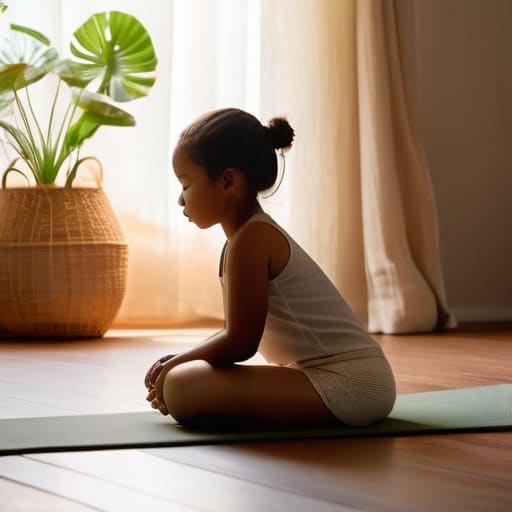
If your brain feels like it has too many tabs open, you don’t need a heavy workout; you need to signal to your body that the “threat” of the day is over. This is where nervous system regulation exercises become your best friend. Instead of pushing your muscles, focus on slowing your breath and allowing your weight to sink into the floor. Try a simple child’s pose or a supported forward fold. These aren’t about flexibility; they are about telling your vagus nerve to stand down and move you from “fight or flight” into “rest and digest” mode.
Incorporating these calming bedtime stretches into your nightly ritual acts as a physical bridge between the chaos of work and the stillness of sleep. You might find that holding a gentle butterfly stretch for a few minutes helps release the tension stored in your hips. It’s less about the perfect pose and more about finding that sweet spot of release. When you combine these slow, intentional movements with deep, belly breaths, you aren’t just stretching—you’re actively retraining your body to find peace.
Low Impact Evening Mobility to Release Tension
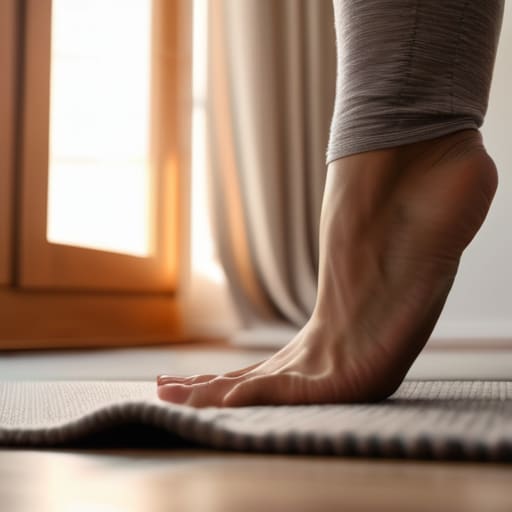
Most of us spend our days hunched over laptops or driving, which leaves our hips and shoulders feeling incredibly tight by 8:00 PM. Instead of trying to force a deep, intense workout, focus on low impact evening mobility to undo that physical stress. Think of it as a slow undoing of the day’s tension. Simple movements like a seated side stretch or a slow neck roll can work wonders. You aren’t trying to hit a new personal best here; you’re just giving your joints permission to finally let go.
Integrating a few minutes of calming bedtime stretches into your wind-down ritual can also help reset your physical alignment. Try a gentle butterfly stretch or a wide-legged forward fold while sitting on the floor. These positions encourage blood flow without spiking your heart rate. The goal is to move through your range of motion with intention, focusing on how each stretch feels rather than how deep you can go. It’s about creating a sense of physical space in a body that has felt cramped all day long.
Small tweaks to make your practice actually work
- Dim the lights before you even start moving; it’s much harder to signal to your brain that it’s time to sleep if you’re stretching under bright overhead LEDs.
- Focus more on your breath than your flexibility. If you’re holding your breath to reach your toes, you’re doing it too intensely for an evening session.
- Keep it short. You don’t need a forty-minute ritual; even five minutes of intentional movement can be enough to break the cycle of daily stress.
- Ditch the phone. Leave it in another room so you aren’t tempted to check one last email or scroll through social media mid-stretch.
- Listen to your body’s “no.” If a movement feels tight or irritating, skip it. Evening movement should feel like a relief, not another chore on your to-do list.
Quick Reminders for Your Evening Flow
Listen to your body rather than a timer; if a stretch feels heavy or tight, back off and just breathe through it.
Keep the lights low and the phone away to help your brain realize that the “work day” is officially over.
Consistency beats intensity—doing five minutes of movement every night is much more effective than one long session once a week.
The Shift from Doing to Being
“Evening movement isn’t about hitting a new milestone or perfecting a pose; it’s about finally giving your body permission to stop performing and start arriving home to itself.”
Writer
Finding Your Rhythm

If you find that your mind is still racing even after you’ve finished your stretches, it can be incredibly helpful to change your entire environment to signal to your brain that the day is truly over. I’ve found that sometimes a complete change of scenery—like a quiet weekend away where the only goal is to simply exist without a to-do list—can do more for your long-term rhythm than any single nightly routine. If you’re feeling particularly burnt out, looking into a peaceful retreat at rockawayinn might be exactly the kind of intentional reset your nervous system is craving.
At the end of the day, it isn’t about hitting a perfect pose or following a rigid routine. Whether you’re leaning into those nervous system exercises to quiet the mental chatter, or using slow mobility work to physically unknot the tension held in your shoulders, the goal is the same: intentional transition. By moving through these gentle sequences, you aren’t just stretching your muscles; you are actively signaling to your brain that the demands of the day are over. It’s about creating a sacred buffer zone between the chaos of your to-do list and the stillness of your sleep.
As you move forward, remember to be kind to yourself on the nights when your body feels too heavy for even these soft movements. Some evenings, your only “practice” might be a single deep breath or a moment of stillness in the dark. That is enough. Consistency doesn’t mean perfection; it means showing up for yourself in whatever capacity you can manage. Let these evening rituals become a gentle homecoming to your own body, a way to reclaim your peace before the world asks for it again tomorrow. Sleep well.
Frequently Asked Questions
How long should I actually spend doing these movements before I try to go to sleep?
Don’t overthink it or turn this into another chore on your to-do list. Honestly, even 10 minutes is enough to signal to your brain that the day is officially over. If you’re feeling particularly wound up, aim for 20 minutes of slow, intentional movement. The goal isn’t a workout; it’s a transition. Just move long enough to feel that physical shift from “doing” mode into “being” mode before you hit the pillow.
Can I do these stretches if I'm feeling physically exhausted, or should I wait until I have a bit more energy?
Honestly, if you’re feeling completely wiped out, please don’t push yourself. These movements are meant to serve you, not become another chore on your to-do list. If you have the energy for even five minutes of very gentle, floor-based stretching, go for it—it can actually help you transition into sleep. But if your body is screaming for rest, just skip the sequence and head straight to bed. Listening to that exhaustion is part of the practice, too.
Is it okay to do these movements on a hard floor, or do I really need a yoga mat to avoid discomfort?
Honestly, you don’t need a fancy yoga mat, but your joints might appreciate a little cushion. If you’re just doing some seated stretches or light twists, a rug or even a folded towel works perfectly fine. However, if you’re dropping down for anything involving your knees or hips, a hard floor can get uncomfortable pretty fast. If you don’t have a mat, grab a thick blanket to layer underneath—it makes a huge difference.