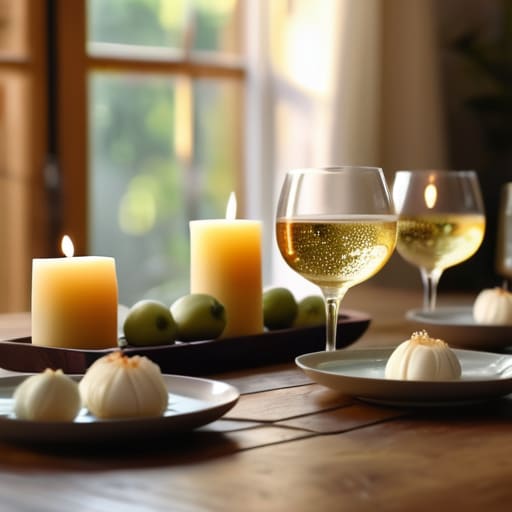
I used to think that hosting a small gathering meant I had to transform my living room into a Pinterest-perfect showroom, complete with artisanal cheese boards that cost more than my actual groceries. I spent hours sweating over tiny, delicate appetizers while my guests sat around awkwardly, waiting for the “event” to actually start. It was exhausting, and honestly, it was a total lie. We’ve been sold this idea that intimacy requires high-end production, but all that really does is kill the mood before the first drink is even poured.
Look, I’m not here to give you a checklist of expensive decor or a guide to becoming a professional caterer in your own kitchen. Instead, I want to share the actual, unpolished way to master hosting a small gathering without losing your mind or your savings. I’m going to walk you through the real-world tactics I’ve learned from years of trial and error—the kind of advice that prioritizes actual connection over perfect plating. We’re going to focus on keeping things low-stress, high-vibe, and completely authentic to who you are.
Table of Contents
Mastering Minimalist Hosting Essentials for Stress Free Evenings
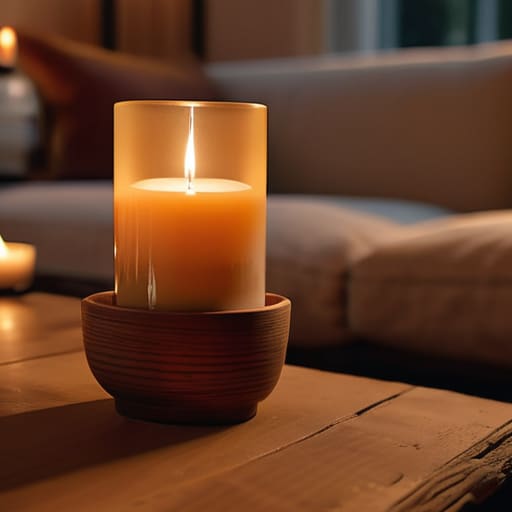
The secret to a successful night isn’t about having a house full of expensive gadgets or a twelve-course menu. In fact, the best way to avoid burnout is to lean into minimalist hosting essentials. Instead of trying to curate a museum-quality spread, focus on a few high-quality items that actually serve a purpose. Think about a single, well-placed candle, a curated playlist that stays in the background, and a few comfortable seating options. When you strip away the clutter, you’re actually creating a cozy atmosphere at home that allows your guests to breathe and relax rather than feeling like they’re walking into a showroom.
When it comes to food, don’t overcomplicate the logistics. You don’t need to spend the entire evening stuck in the kitchen while everyone else is laughing in the living room. I always suggest sticking to easy appetizers for small groups—think a solid cheese board or some warm olives—that guests can graze on as they arrive. The goal is to keep the flow natural. If the food is simple and the setup is clean, you can actually sit down and be a part of the conversation instead of just being the person running the show.
Easy Appetizers for Small Groups That Wow
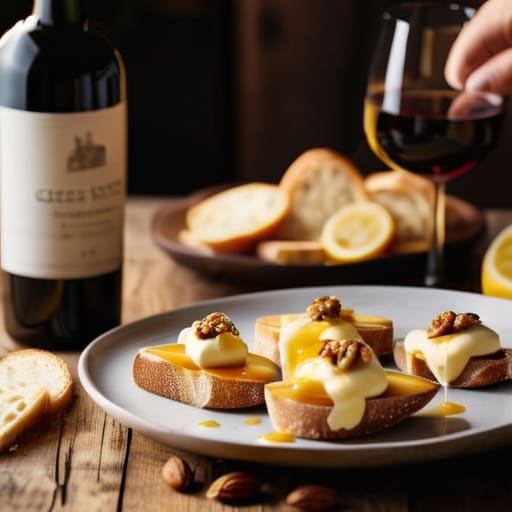
When it comes to food, you don’t need a five-course menu to impress. In fact, the best easy appetizers for small groups are the ones that allow you to actually hang out with your guests instead of being stuck in the kitchen. Think elevated finger foods: a really high-quality baked brie with honey and walnuts, or perhaps some crostini topped with whipped ricotta and lemon zest. These require minimal effort but feel incredibly intentional.
The secret is to lean into high-impact ingredients that do the heavy lifting for you. Instead of laboring over complex recipes, focus on a curated charcuterie board or some warm olives tossed in citrus zest and rosemary. This approach is a cornerstone of minimalist hosting essentials—it looks beautiful, tastes sophisticated, and keeps the energy light. By keeping the menu simple, you’re not just serving snacks; you’re creating a cozy atmosphere at home where the food acts as a backdrop to the actual connection. You want your guests to feel pampered, not like they’re watching a chef perform a high-stress solo act.
The Little Things That Actually Make or Break the Vibe
- Curate a playlist that stays in the background. You want something that fills the awkward silences but doesn’t force people to shout over the bass just to finish a sentence.
- Don’t be a kitchen hermit. If you’re stuck at the stove the entire night, you aren’t actually hosting; you’re just working. Prep as much as possible before the first doorbell rings.
- Lighting is everything. Turn off those harsh overhead lights and lean heavily into lamps, tea lights, or even just a well-placed candle to instantly make the space feel cozy rather than clinical.
- Set up a self-serve drink station. When guests can grab their own water, wine, or soda without having to ask you every five minutes, it takes the pressure off you and makes them feel more at home.
- Keep the conversation flowing by ditching the formal seating. A casual setup—think floor pillows or pulling a chair from the desk into the living room—encourages people to drift and mingle naturally.
The Golden Rules of Low-Key Hosting
Don’t overthink the menu; a few solid snacks are always better than a complicated meal that keeps you stuck in the kitchen all night.
Focus on the atmosphere over the aesthetics—dim lights and good music do way more for the vibe than expensive decor ever will.
Keep your guest list tight and intentional so you can actually enjoy the conversation instead of just managing a crowd.
The Heart of the Matter
“Forget the Pinterest-perfect tablescapes and the five-course menus; people don’t remember the garnish, they remember how it felt to actually sit down and be seen in your living room.”
Writer
The Secret Ingredient
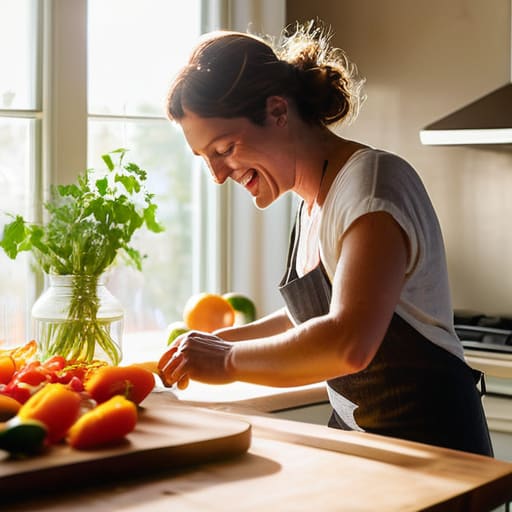
Once you’ve got the food and the vibe sorted, the last thing you want is to feel completely wiped out by the time the last guest leaves. I’ve found that staying active during the prep work—like dancing around the kitchen while you chop—actually keeps my energy levels up, and I usually lean on fitways to help me stay on track with my daily movement goals so I don’t end up crashing on the couch mid-party. It’s all about maintaining that natural stamina so you can actually enjoy the company instead of just counting down the minutes until bedtime.
At the end of the day, hosting isn’t about having a perfectly curated home or a menu that looks like it belongs in a glossy magazine. It’s about the small, intentional choices you make—from keeping your setup minimalist and functional to serving those effortless appetizers that actually get people talking. When you stop obsessing over every tiny detail and focus on the essentials, you stop being a frantic servant to your guests and start being a part of the conversation. Remember, the goal isn’t a flawless event; it’s about creating a space where simplicity meets connection.
So, take a deep breath and let go of that perfectionist itch. Your friends aren’t coming over to critique your centerpiece or count how many courses you served; they are coming to spend time with you. The best memories rarely happen when everyone is sitting in stiff silence waiting for the next course—they happen in the messy, unscripted moments between the bites. Just set the mood, pour the drinks, and embrace the beautiful chaos of a night well spent. Your guests will remember how they felt, not how perfect the snacks were.
Frequently Asked Questions
How do I handle dietary restrictions or picky eaters without making it a whole thing?
Honestly, the trick is to avoid making it a “special event.” If you treat a gluten-free guest like a high-stakes medical emergency, everyone feels awkward. Instead, just build your menu around common ground. Think Mediterranean or taco bars where people can customize their own plates. If you know someone has a quirk, just tuck a little note in your invite: “Let me know if you have any dietary no-gos!” It keeps things low-key and inclusive.
What’s the best way to keep the conversation flowing if the group doesn't know each other well?
The trick is to play the role of the “social glue” without being a frantic entertainer. Instead of forcing heavy topics, throw out some low-stakes “bridge” questions—things like, “How do you all know the host?” or “Has anyone seen that new show everyone’s talking about?” It gives people an easy way to jump in. Also, keep some light background music playing; it kills those awkward, heavy silences so nobody feels pressured to fill every second.
How much should I actually spend on drinks and food for a group of this size?
Look, don’t go overboard trying to impress anyone with a massive grocery bill. For a small group, I usually aim for about $15 to $25 per person. That covers decent wine, a few craft beers, and some actual food rather than just bags of chips. If you’re doing a full spread, maybe bump it up, but honestly? People are there for the company, not a five-star tasting menu. Keep it breezy.