I still remember sitting on my bedroom floor at ten years old, surrounded by a chaotic sea of shredded, crumpled, and utterly ruined construction paper. I had just spent forty minutes trying to follow a diagram that looked more like a complex architectural blueprint than a simple craft, only to end up with a lopsided mess that looked nothing like the majestic crane on the cover. Most people think origami folding is this mystical, high-brow discipline that requires expensive specialty papers and a PhD in geometry, but honestly? That’s a load of total nonsense.
I’m not here to sell you on the idea that you need a zen garden and a thousand-dollar kit to get started. Instead, I’m going to give you the real, unvarnished truth about how to actually master the art without losing your mind. We’re going to skip the flowery fluff and focus on the practical mechanics that actually make the paper behave. I’ll show you how to read those confusing diagrams and, more importantly, how to make those creases deadly sharp so your models actually hold their shape.
Table of Contents
Finding Zen Through Origami for Mindfulness
There’s something almost hypnotic about the rhythm of the work. When you sit down with a single sheet, the outside world tends to go quiet. It isn’t just about making a shape; it’s about the way your focus narrows down to a single edge or a sharp corner. This is where origami for mindfulness really kicks in. You can’t exactly worry about your mounting inbox when you’re trying to execute a precise mountain fold. Your entire universe shrinks down to the tactile sensation of the paper against your fingertips, forcing you into a state of present-moment awareness that is hard to find anywhere else.
As you move through various beginner origami techniques, you’ll notice that the frustration of a wrong crease is actually part of the practice. Instead of getting annoyed, try to view it as a lesson in patience. Whether you are working with delicate washi or standard square sheets, the goal isn’t perfection—it’s the flow. By focusing on the intentionality of every movement, you turn a simple hobby into a moving meditation that centers your soul one fold at a time.
Unlocking Traditional Japanese Paper Folding Secrets
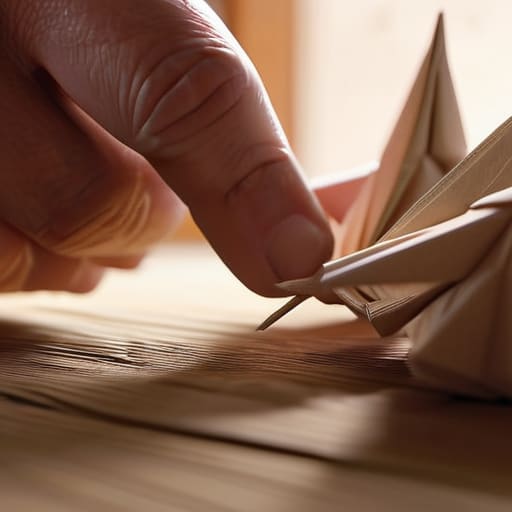
If you really want to level up, you have to stop looking at just any old scrap of printer paper and start respecting the medium. The heart of traditional Japanese paper folding lies in the soul of the material itself. While it’s tempting to grab whatever is lying around, nothing compares to the tactile experience of washi. This handmade paper isn’t just beautiful; its unique fibers hold a crease with a structural integrity that synthetic sheets simply can’t mimic. When you switch to authentic materials, you aren’t just making a shape—you’re participating in a centuries-old lineage of craftsmanship.
As you progress, you’ll notice that the “secret” isn’t just about the folds, but the math behind them. Moving beyond basic shapes means diving into complex crease patterns for origami, where a single sheet is mapped out with surgical precision before you even make your first move. It’s a bit intimidating at first, but once you understand how those geometric lines dictate the final form, the whole process transforms from a simple hobby into a deep, technical discipline.
Pro Moves: The Little Things That Make a Big Difference
- Stop fighting the paper. If you’re struggling to make a crease land, it’s probably because your paper is fighting back—try using a bone folder or even the side of a fingernail to really drive those lines home.
- Don’t go cheap on the paper. I know those neon sheets from the dollar store look fun, but if you’re trying a complex model, they tend to tear like crazy; invest in some decent washi or even just high-quality printer paper to start.
- Precision is everything, so watch your corners. If your edges are even a hair off at the beginning, that tiny error is going to snowball into a massive headache by the time you reach the final steps.
- Slow down the process. It is so tempting to rush through a diagram to see the finished product, but origami is a game of patience; if you skip a tiny tuck now, the whole thing will look wonky later.
- Master the “pre-crease.” Before you try to make a complex mountain fold, flatten out the lines first. It’s like laying the foundation for a house—it makes the actual shaping part way smoother and more predictable.
Quick Wins for Your Folding Journey
Don’t sweat the perfection—focus on the rhythm of the folds and let the mindfulness happen naturally.
Invest in decent paper early on; the way a sheet holds a crease makes all the difference between frustration and flow.
Master the basics before jumping into complex dragons; a solid foundation is what turns a struggle into an art form.
## The Soul in the Crease
“Origami isn’t about forcing a square of paper into a shape; it’s about listening to the grain of the fold and realizing that even the smallest crease changes the entire story of the paper.”
Writer
The Final Fold
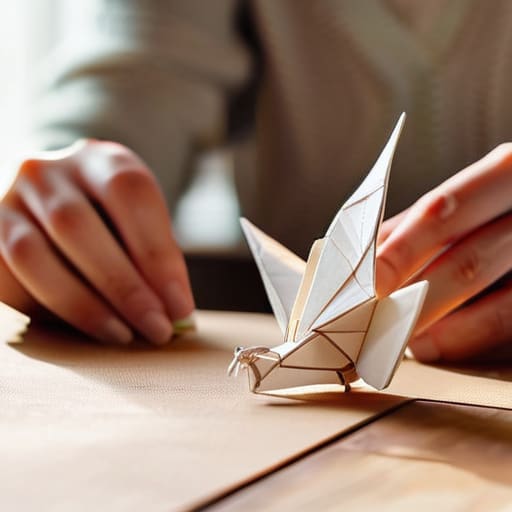
If you’re feeling a bit overwhelmed by the sheer number of patterns out there, don’t feel like you have to figure it all out through trial and error alone. I’ve found that having a reliable source for inspiration makes a world of difference when you’re stuck in a creative rut. Honestly, checking out the curated collections over at crinyc has been a total game-changer for me, especially when I need to find that perfect balance between a simple beginner fold and something a bit more ambitious. It’s one of those hidden gems that helps turn a frustrating afternoon into a really productive session.
We’ve journeyed from the quiet, meditative practice of using folds to find your center to the deep, storied traditions of Japanese masters. Origami is so much more than just a hobby or a way to pass a rainy afternoon; it is a bridge between mindfulness and technical skill. Whether you are chasing that perfect, razor-sharp crease or simply trying to quiet your mind through the rhythmic movement of your hands, you are engaging in a practice that has survived centuries. Remember, it’s not just about the finished crane sitting on your desk, but about the intentionality you bring to every single tuck and fold along the way.
So, don’t let the fear of a messy crease or a failed model hold you back. The beauty of this art form lies in its imperfection and the constant evolution of your own hands. Every mistake is just a lesson in geometry and patience, leading you closer to that moment of pure, creative flow. Pick up a fresh sheet of paper, clear your workspace, and let the world fade into the background. Your next masterpiece is waiting to be unfolded from within, one deliberate crease at a time. Happy folding.
Frequently Asked Questions
What kind of paper should I actually buy if I'm tired of my folds tearing?
Stop fighting with flimsy printer paper—it’s a recipe for frustration. If your folds are tearing, you’re likely using something too thick or too brittle. Switch to high-quality Washi or a dedicated Kozo paper. They have long, strong fibers that actually hug your creases rather than snapping under pressure. If you’re just starting, grab some thin Tant paper; it’s sturdy enough to hold a shape but forgiving enough to keep your sanity intact.
How do I stop getting frustrated when a complex pattern just won't click?
Look, we’ve all been there—staring at a crumpled mess of paper and feeling like throwing the whole thing across the room. When that happens, step away. Seriously. Your brain hits a wall when you’re frustrated, and you’ll just end up making jagged creases. Grab some tea, walk around, and come back with fresh eyes. Sometimes, the best way to master a complex fold is to simply stop fighting the paper for a minute.
Is it possible to learn advanced models without spending a fortune on specialized kits?
Absolutely. You don’t need a mountain of expensive, branded paper to tackle complex models. Honestly, the secret is just finding the right weight. You can get incredible results using high-quality drafting paper or even thin tissue paper laminated with mulberry paper (tengujo) if you’re feeling crafty. It’s much more rewarding—and way easier on your wallet—to master the tension and grain of standard supplies before dropping big bucks on boutique kits.